

By Sophie Lancaster
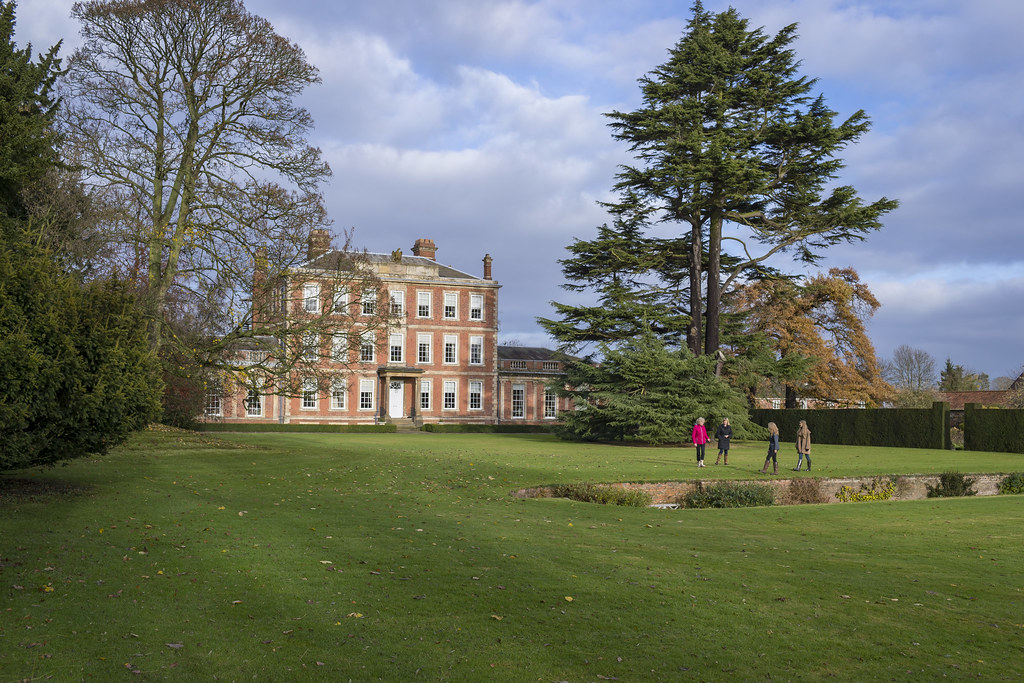
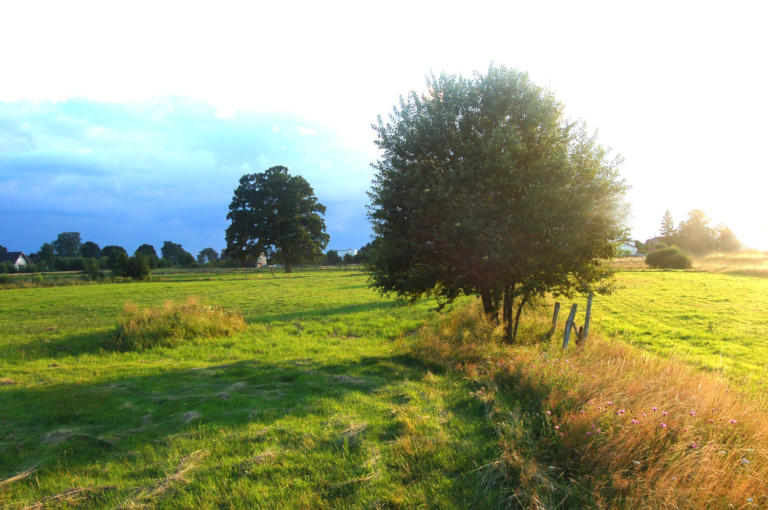
Middlethorpe Hall, located just 2 miles from York city centre, has the best of both worlds, the city and the country. Set within 20 acres of gardens and parkland, it is now a luxury hotel and spa that is part of the National Trust. This month, we’re diving into its history….
It starts with a man named Thomas Barlow, who wanted to be seen and recognised by society as a country gentleman in the late 1600s. Thomas’ grandfather, Humphrey Barlow, had established the family’s fortunes in Sheffield as a wine merchant. As well as this, Thomas’ Uncle Francis was big in the iron-making industry and was actually a partner to the Duke of Norfolk in the Sheffield Ironworks. Francis had no children, so when he died in 1690, his fortune went to his nephew, Thomas. Thomas was granted a coat of arms and became an Anglican to be accepted within society. He also married one of his cousins, Mary Chapman, who his uncle had recommended, to secure his position. They had a son together, but sadly Mary died three years later.
Around 1695, Thomas set out on a Grand Tour of Europe, like most young men at that time, and he was inspired by the Baroque styles and architecture he saw. When he returned, Thomas was ready to secure himself a country estate to match his new status, and incorporate some of his new European inspiration. He bought Middlethorpe Hall in 1698 for around £1250, which in today’s money is just under £200,000!
There had originally been a 17th-century building that stood on the site, which was taken down and replaced, although Barlow reused some of the structural timbers for his new house. In just three years, the work was done, and the house was designed to look like the Roman Palazzi he’d seen abroad. Characterised by its red bricks and limestone window mouldings, it is similar to Newby Hall, which is nearby. Originally it would have looked quite box-like when it had a rooftop balustrade and flat roof, although these were later removed and wings were added to the house. Thomas lived here until 1713, when he decided to embark on yet another grand tour, but this time with his son, Francis, who was now grown up. Whilst they were away, they rented the house out to a lady and her son.
Lady Mary Wortley Montagu was a letter writer, traveller and a pioneer of inoculation. She moved in with her son, who was unwell, as they preferred country life to the “inconvenience and disagreeableness of a country town”. She wrote that the place was very pretty, therefore, she could overlook Thomas Barlow’s poor choice of furniture!
Sadly, whilst travelling, Thomas fell ill and passed away, leaving his young son to take over the estate. Francis returned in 1714, and much like his father, he was very determined to establish himself in society. He sold off his shares in the Sheffield ironworks and invested in the land around Middlethorpe. Francis added the east and west wings onto the building in 1735, which was around the time that he became the High Sheriff of Yorkshire, which shows that Francis had been accepted within the local gentry by then.
He married Elizabeth Robinson of Rokeby Park in 1745, and they had two sons, Thomas and Samuel. Thomas was very rebellious, and Francis described him as his “reprobate son”, even going as far as to disinherit him, leaving the estate to his youngest son instead. Samuel married a local heiress, and they had seven sons!
After Samuel, the estate went to his second son, John, in 1805. John made many changes to Middlethorpe in an attempt to bring it into a more modern, neo-classical style. John married Frances Bayley in 1807, and they had a daughter, also called Frances. Their marriage ended badly after only four years, and Frances took their daughter to live with her.
John Barlow died in 1813, and Middlethorpe was then passed to his younger brother Andrew, who was the last male in the Barlow line, since none of the seven brothers had had any sons.
So, when Andrew died, he left the estate to his widow to make sure she had somewhere to live and was looked after as long as she remained unmarried. However, she did remarry in 1827, which left the estate to go to Andrew’s niece, John Barlow’s daughter, Frances.
Frances had a life away from Middlethorpe by this point, and so the house was instead rented out as a family home and, at one point, even a girls’ boarding school.
Frances married, but sadly her husband died, and so she married her second husband, Dr Matthew Wilkinson, a leading physician from Manchester. Unfortunately, Frances died before having any children with Dr Matthew, so Middlethorpe went to him as her widow. Matthew remarried too, and had children with his new wife. His family only moved to Middlethorpe after Matthew’s death, and his daughter, Fanny Wilkinson, became a gardener there. She was inspired by Middlethorpe’s gardens, and she became the first woman to make a professional career as a landscape gardener. She even laid out Vauxhall Park in London!
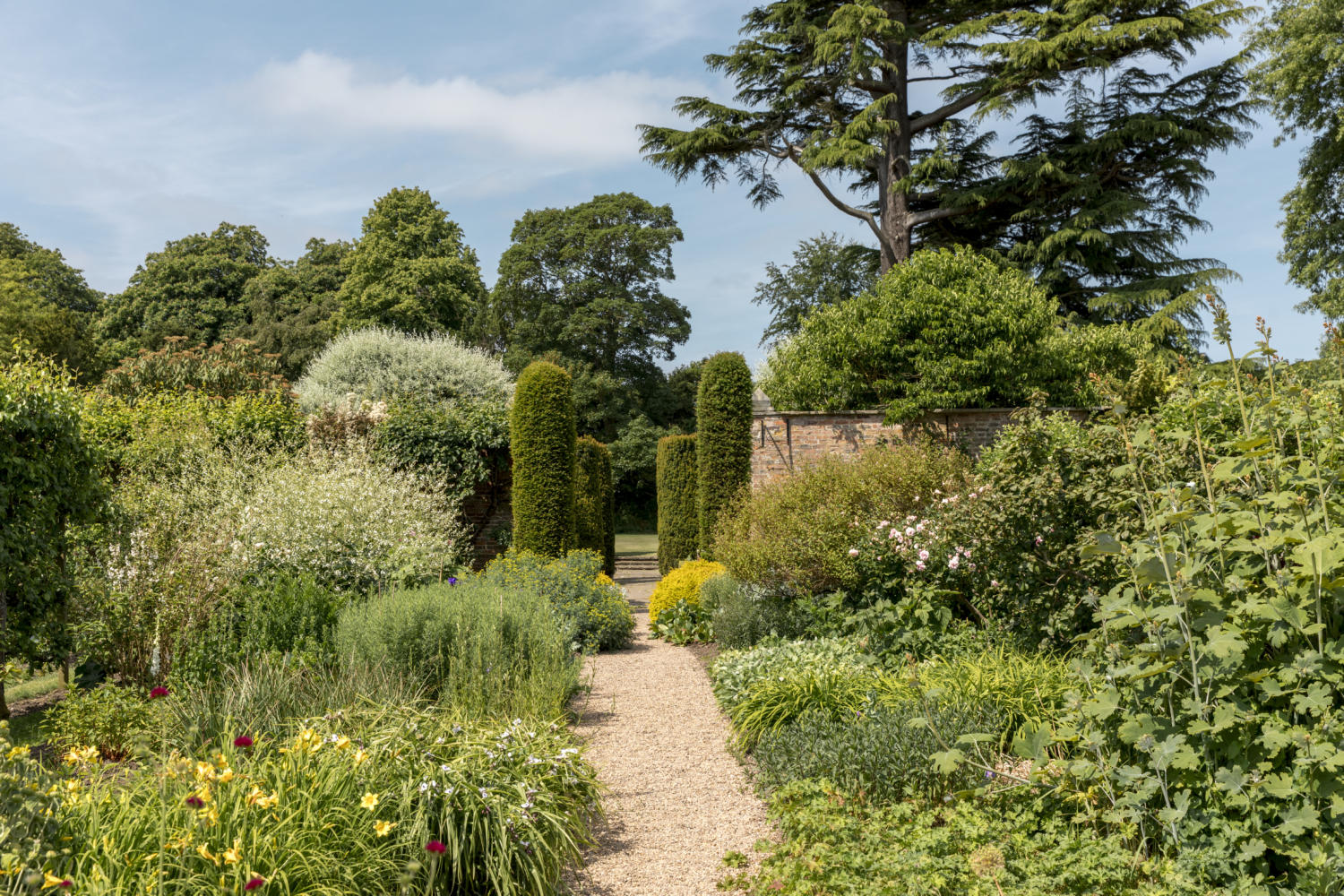
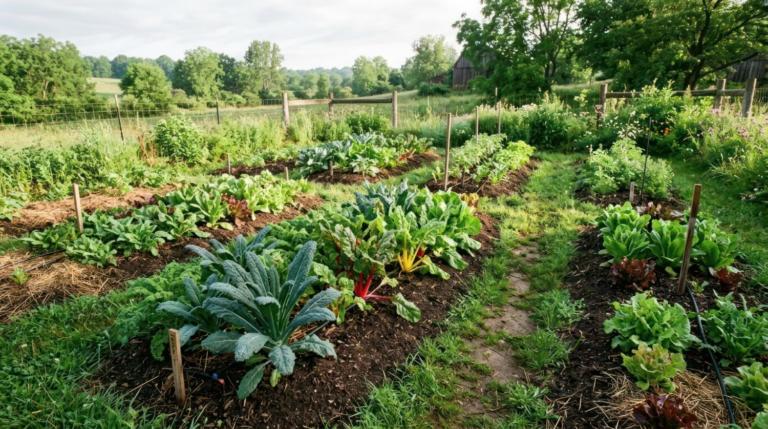
In 1912, the estate was sold to Leo Paget, who, similarly to Fanny, loved gardening. He much preferred to be in the country and was an expert gardener, horseman and pig breeder. So, the gardens were well looked after during this time. The garden seems to have been inspired by the Baroque layout, which Thomas Barlow would have seen on his grand tour. There is an oval pond, two terraced walks and even two walled gardens, one of which was an orchard; the other has a dovecot, which was built before Thomas Barlow even arrived and rebuilt Middlethorpe. Francis Barlow attempted to modernise the garden when he was there and put in a ha-ha, which had views over the lawns and onto the countryside.
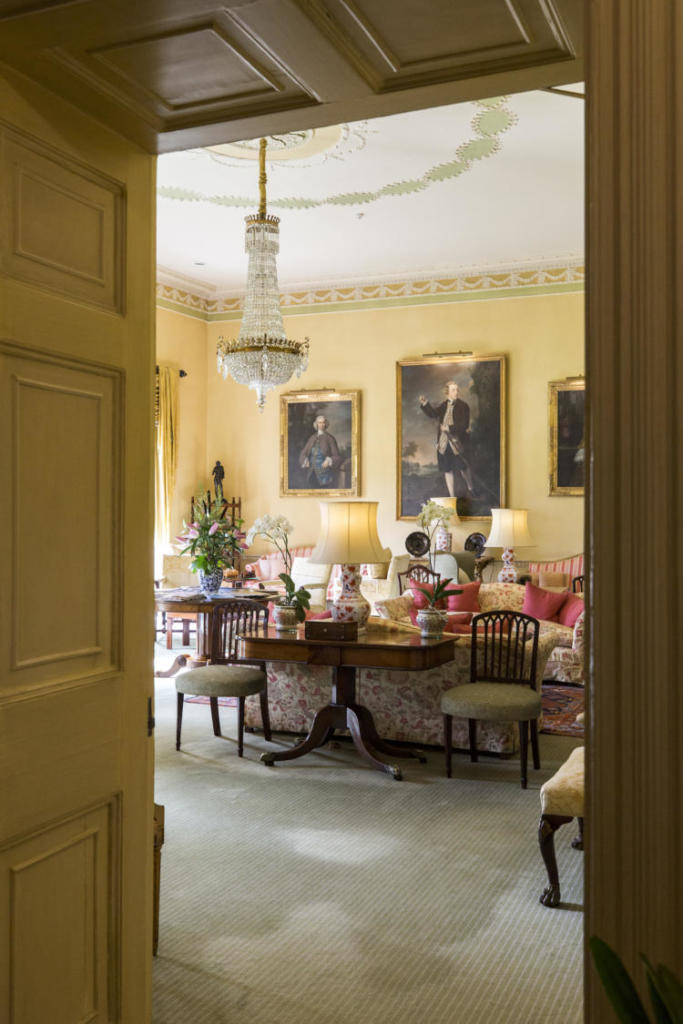
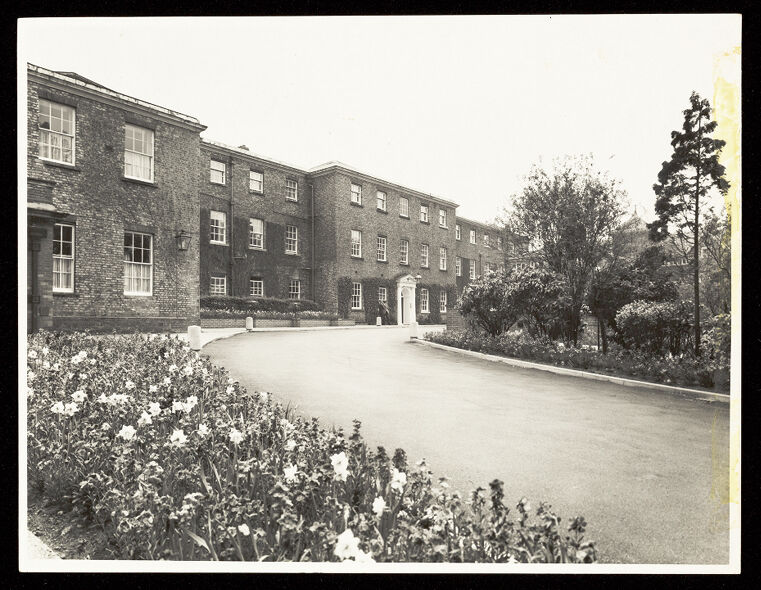
The next owner of Middlethorpe was Sir Frank Terry, from Terry’s Chocolate. The house was in a great location for him, being located near the Bishopthorpe confectionary works. Sir Frank divided the house into flats and converted the ground floor into a nightclub called ‘Brummels’. By 1980, the house had been rescued from neglect by the Historic House Hotels, who restored the property. It was transformed into the luxury hotel that it is today…

Add a comment