

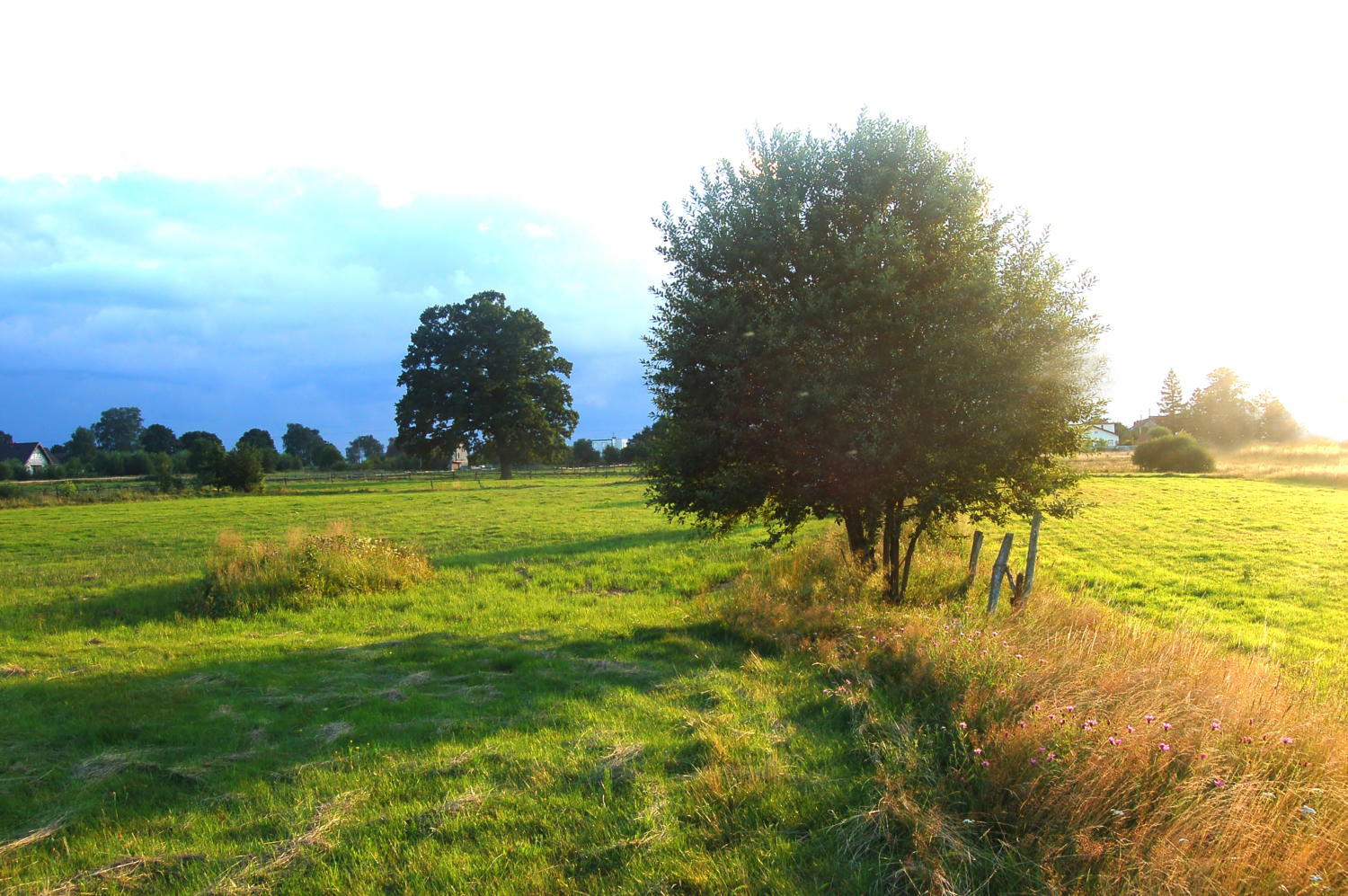

Ever wondered why York has so many huge, grassy areas that seem to go largely unused?
1. The York Strays consist of four huge swathes of open land (comprising 800 acres in total), whose management has been overseen by the Freemen of York for as far back as any historical records show.
2. Freemen were effectively stewards of the land, who held their status by performing certain duties for the city, such as repair and maintenance, defence in times of siege, and other civic responsibilities such as charitable aid, which set them apart from average citizens. If these duties went unperformed, hefty fines were imposed.
3. The Freemen were also notably racially inclusive in their demographics, although women would not be admitted to membership until 1979. In October 1687, the Gild admitted the first known black freeman – John Moore – into their number, though the infrequent documentation of black history in York may mean that there were black members long before this. Moore was also likely to be a notably wealthy member of the York community, given that he was able to pay the required sum of 20 nobles (A whopping £1,424.31 in today’s currency) to join the Gild’s membership. Further oral histories suggest that Moore was the benefactor behind certain milestones across the city.
4. Bootham Stray, Monk Stray, Walmgate Stray, and Micklegate Stray were all once part of even larger areas of ‘common land’, where the Freemen held the right to graze cattle. In the 18th and 19th centuries, Parliament began to enforce the enclosure of areas of common land. The strays, already being used as grazing land, were each allocated to the freemen in lieu of their preexisting rights to pasturage.
5. In 1953, the Gild of Freemen was initiated by Mr James L. Burdekin, establishing their mission statement for the ‘Enhancement of the city of York and the furtherance of the interests of its citizens’. The Gild currently holds an estimated number of between 6000-7000 members, the bulk of whom are no longer residents of York.
6. Today, City of York Council oversees the stewardship of the strays in consultation with the Freemen of the York Stray Council, maintaining the integrity of the ancient lands for the benefit of York residents. It’s worth noting, I think, that the next time you pass by the racecourse, you’re strolling past thousands of years of local history…
7. Did you know you can still apply to be a Freeman through a variety of means today? If one of your ancestors (provided it’s not too far back in your family tree) was a Freeman, or if you’re an apprentice to a master craftsman who is also a Freeman, you can apply to join the Freemen of the City of York and uphold the traditions of this long-established institution.
Visit www.exploreyork.org.uk/archives/about-our-service/ to find out more about the York Explore Library and Archive, which currently holds information on the Roll of Freemen.


Add a comment