

By Tony Chalcraft
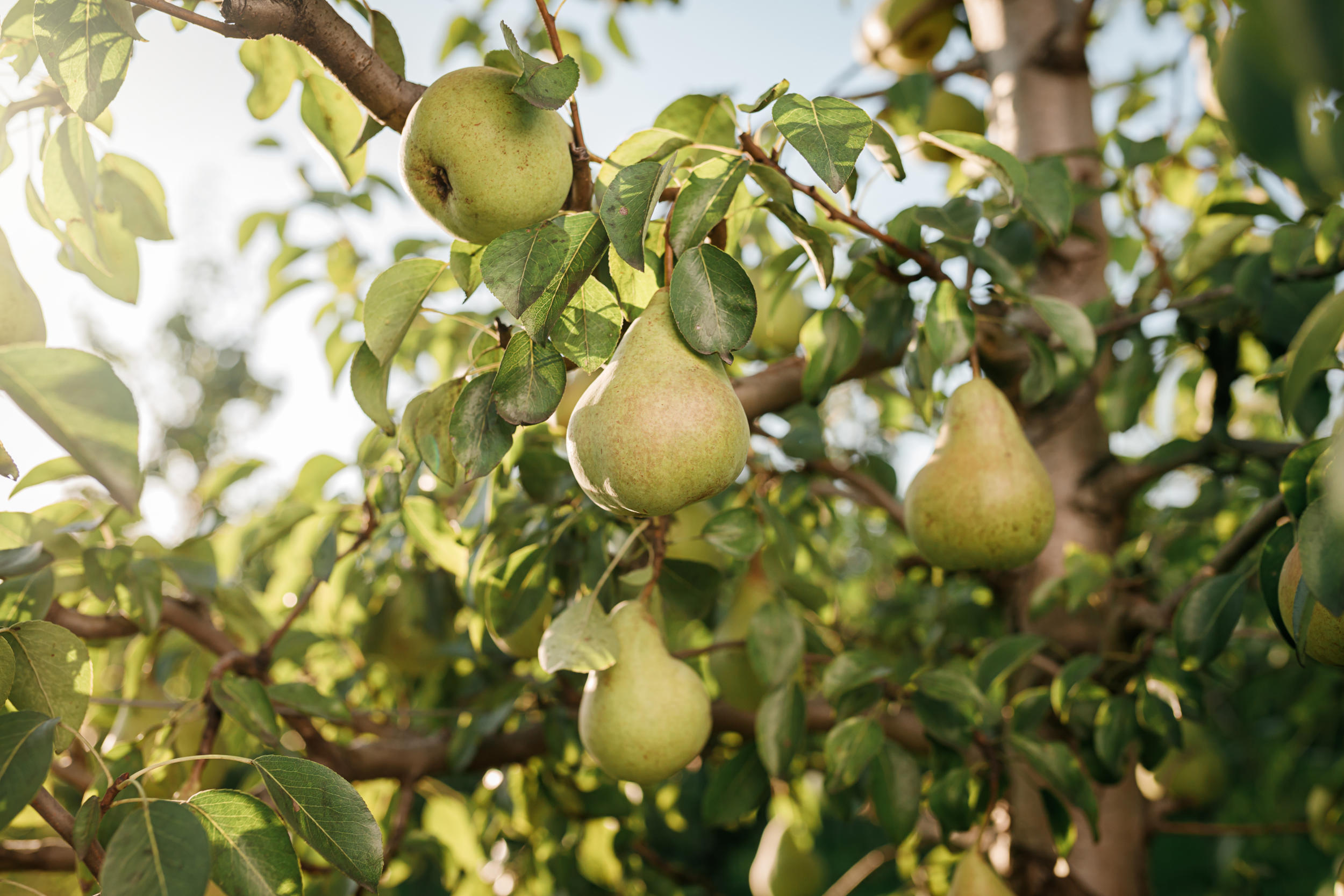
By the time you read this, the last apples and pears will have been gathered. It’s not going to be a great haul. Although the summer sun has ripened the fruit and brought picking forward by several weeks, there are far fewer fruits than normal. One reason for this is that many trees are ‘resting’ after producing a bumper crop last year; the other is that there’s been a plague of pests, of which the rifest has been the codling moth.
If you’ve a few fruit trees, you may be acquainted with this malevolent moth, not that you’ll likely have seen it fluttering around. Brownish in colour and with a wingspan of no more than two centimetres, like most other moths, it mainly flies by night, hiding away during the day. Mainly on the wing between mid-May and July in warm summers, a second generation can be active in August and September. It’s not the moth that damages fruit, but its caterpillars. Eggs are laid singly on fruitlets or foliage, the hatched caterpillar boring into fruit, usually entering through the ‘eye’, the blossom end or calyx. It then feeds inside the apple or pear, mostly eating the seeds. After about a month, it exits through a newly chewed hole.
Codling moth damage is sometimes not seen or recognised until a fruit is eaten. It can then come as an unpleasant surprise. An affected apple will have a cavity, part filled with ‘frass’, the technical and polite term for caterpillar excrement. There are, though, telltale signs of codling moth activity. Attacked fruit tends to ripen and fall early. Do not assume large numbers of apples dropping from a tree are simply ‘windfalls’. Inspection will often reveal a small hole near the blossom end and another elsewhere, often larger and sometimes exuding frass, where the caterpillar has tunnelled out. There may also be a soft, mushy patch on the fruit caused by the fungus brown rot. In many cases, this disease occurs when the flesh has been pierced, most frequently by the codling moth, allowing fungus to enter.
In a bad year like 2026, codling moth damage can be catastrophic. Although there are significant differences between varieties, on some of my apple trees, the vast majority of fruit is affected. Pears, which are usually less attractive to the moth, possibly because of their harder flesh when unripe, have also been attacked. And, something I’ve never seen before is codling moth-damaged quinces.
What can be done to counter codling moth? The honest answer is, not a lot! Only garIf you’ve only a few smallish trees, checking developing fruit for signs of codling moth and removing them before the caterpillar has exited can reduce codling moth numbers. Clearing up fallen fruit and, where practicable, disturbing ground under trees in winter to expose larvae to predators can also help. Another option that may be of some benefit is stiff brushing of trunks and larger branches to dislodge larvae, which tend to hide in crevices or rough patches.
It’s also possible to buy codling moth ‘traps’, which use the pheromone of the female moth to lure males onto a sticky flytrap. Commercially, traps are mainly used to monitor moth numbers rather than as a control. I’ve always been sceptical, reasoning that enticing more male moths may make matters worse. Even so, given this year’s depredation, it’s an option I might try as an experiment. The alternative is to hope this year is a ‘one-off’…




Add a comment