


By Charlotte Castle
As parents breathe a sigh of relief and children swap flip-flops for school shoes, there’s one member of the family who might be wondering where everyone has gone – the family pet.
For many dogs and cats, the summer holidays are the highlight of the year. The house is full of people, there are extra walks, garden games, cuddles on the sofa and plenty of activity. Then, almost overnight, everything changes.
While most pets adapt well, some can find the return to school surprisingly difficult.
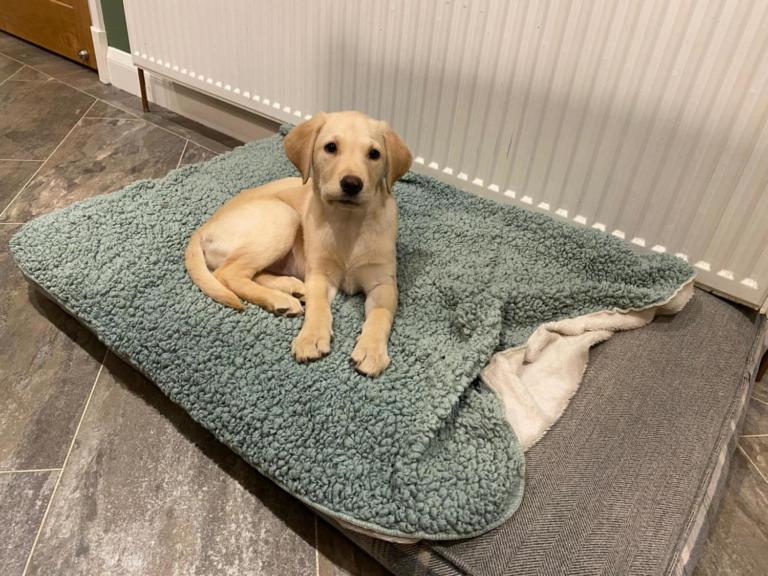
Dogs, in particular, thrive on routine and companionship. If they’ve spent six weeks with someone at home for most of the day, being left alone again can feel like a big adjustment. Some may become anxious, bark more than usual, chew furniture, pace around the house or even have accidents indoors.
The good news is that there are plenty of simple things owners can do to help…
If you haven’t already, start easing your dog back into the school routine by leaving them for short periods and gradually increasing the time you’re away. This helps them understand that you’ll always come back. Leaving a food puzzle, favourite toy or long-lasting chew can also keep them occupied while you’re out.
Keeping walks and mealtimes as consistent as possible is another great way to provide reassurance. Dogs feel more secure when they know what to expect.
Cats often have a reputation for being independent, but they notice changes too. Some enjoy having the house to themselves, while others may become quieter, hide away or seem more vocal as they adjust to the new routine. Spending a little quality time playing together each evening can help keep them mentally stimulated and strengthen your bond.
Don’t forget smaller pets either. Rabbits, guinea pigs and other furry friends still need daily attention, enrichment and handling, even when life gets busier. If the children usually help care for them during the holidays, it’s worth planning who will take over those jobs once school starts.
One thing we always encourage owners to watch for is any change in behaviour. Pets can’t tell us when they’re worried or unhappy, so they often show it through their actions. Changes in appetite, excessive grooming, destructive behaviour, hiding away or becoming unusually clingy can all be signs that they’re struggling with the change in routine.
In many cases, these behaviours settle within a couple of weeks as pets get used to the new normal. However, if they continue or seem to be getting worse, it’s always worth speaking to your veterinary team. Sometimes, what appears to be a behavioural issue can actually be linked to an underlying health problem.
The start of a new school year is always busy, but setting aside a little time each day for a walk, a game or a cuddle can make a huge difference to your pet’s wellbeing.
After all, while the children are busy making new memories at school, our pets are simply looking forward to everyone coming home again!
If you’re worried about changes in your pet’s behaviour, the team at Bishopton Vets is always happy to offer advice and help make the transition as smooth as possible for the whole family.








Add a comment