

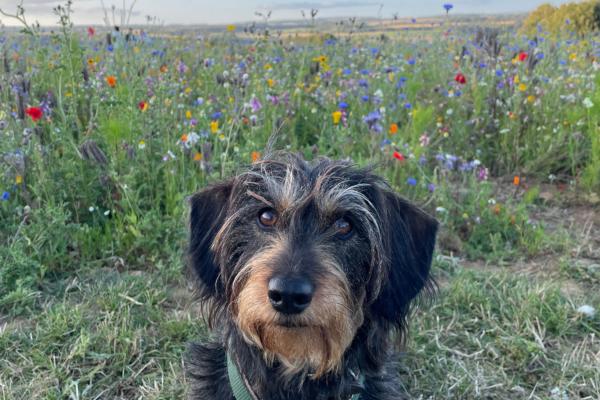
Summer’s arrival means many of us will be heading to garden centres with a view to sprucing up our outside spaces. Whilst our pets enjoy the warmer weather just as much as us, there are some surprising hazards which lead to veterinary intervention every year. By understanding the risks, you can create a pet-safe outdoor space for a worry-free season.
Laburnum trees
· Often prized for their golden blooms, laburnums are highly toxic to pets. Their seeds, pods, and other parts contain cytisine, an alkaloid that can trigger vomiting, tremors, seizures, or even death in dogs and cats.
Azaleas and rhododendrons
· Contain grayanotoxins, causing drooling, diarrhoea, or heart issues.
Lilies
· Lilies are especially a concern for cats, where a single nibble or pollen contact can lead to a lot of pressure on a cat’s kidneys. Snipping the stamens out of them can lower the risk.
Daffodils and tulips
· Both pretty flowers are very common across most gardens, however, their bulbs are toxic. Please avoid pets digging them up!
Beyond plants, garden chemicals also pose significant threats.
· Slug pellets, often scattered to protect plants, contain metaldehyde or methiocarb, which are poisonous to dogs and cats. Even a small amount can cause twitching, seizures, or coma.
· Weed killers, like glyphosate-based products, can irritate pets’ skin or digestive systems if they walk through treated areas or lick their paws. Store these products securely and, where possible, use pet-safe alternatives like vinegar-based or washing-up liquid sprays, and keep pets off treated lawns until safe, as advised on product labels.
· Artificial grass, although increasingly popular, can reach scorching temperatures under the sun, burning pets’ paw pads – test with your hand on a very hot day before letting pets run across, and provide shaded areas or natural grass patches for relief.
· Garden hoses left in the sun can heat water to scalding levels – a quick splash, meant to cool off or entertain a dog, could burn a pet badly if the water hasn’t been flushed through first. Always run the hose briefly to cool the water before use.
To ensure a pet-safe garden, research plants before buying, choosing non-toxic options. Check the area for hazardous plants or fallen seeds, especially from laburnum, and supervise pets outdoors. Fence off risky areas and keep hoses in the shade.
If you notice symptoms like vomiting or lethargy, bring a plant sample or chemical label to the vet for faster treatment, and if you do suspect poisoning, call us on 01347 821377 – we are always available in an emergency.





Add a comment