

By Chris Small of Orchard Nurseries
Autumn has arrived, and the leaves are changing colour into a wonderful array of yellows, rusts, oranges and reds, as deciduous plants prepare for dormancy. There are still many things that need to be done at this time of year.
There is still time to plant spring bulbs, although most need to be planted before the end of the month. You can plant them in tubs and containers with winter-hardy bedding on the top, such as pansies, violas and primulas or polyanthus, and perhaps an evergreen Skimmia, or an evergreen grass or hellebore in the middle.
Tidy up borders, but leave some seed heads for the wildlife; they also look interesting when covered in dew or frost later into winter. You can also help wildlife by bundling up twigs and short branches to make a habitat for hibernation over the winter.
If you’re lucky enough to have a greenhouse, now is the time to give it a good clean. Remove any shading and wash the glass and frame, as this will reduce the carryover of pests and diseases. If you have a heater, check it still works well!
The days are shorter and cooler now, so it is a good time to lift and divide perennials, as well as planting trees and shrubs, as the soil is still warm but should have had some autumnal rain.
Canna lilies will need lifting; cut the stems down to 15cm (6inches), remove surplus soil, and dry. Then, store in just damp compost in a frost-free place. You can do the same for your dahlias, although you can wait till after the first frosts have blackened the stems.
In the vegetable garden, now is the time to plant garlic. Insert individual cloves about 2.5cm (1 inch) below the soil surface and 15cm (6 inches) apart. If you have heavier soil, make a ridge and plant in the top.
Cut back pea and bean plants, leaving the roots in the soil to naturally break down; they are rich in nitrogen.
If you want to have a go at making more plants, take hardwood cuttings of currants and gooseberries by cutting healthy stems about 25-35cm (10-14 inches) long, under a leaf joint and inserting it ¾ of its length into the soil. You could use a deep plant pot filled with a 50/50 mix of compost and multipurpose compost. You can also try this method for many ornamental plants, including roses, buddleja, Cornus, and Ribes (flowering currant). Rhubarb can be lifted, divided and replanted in soil improved with lots of well-rotted organic matter.
October is the time for sowing sweet peas for earlier flowering next year. Sow in deep pots, water and keep in a cold frame or cold greenhouse. Watch out and protect from mice, as they will dig them out and eat them!
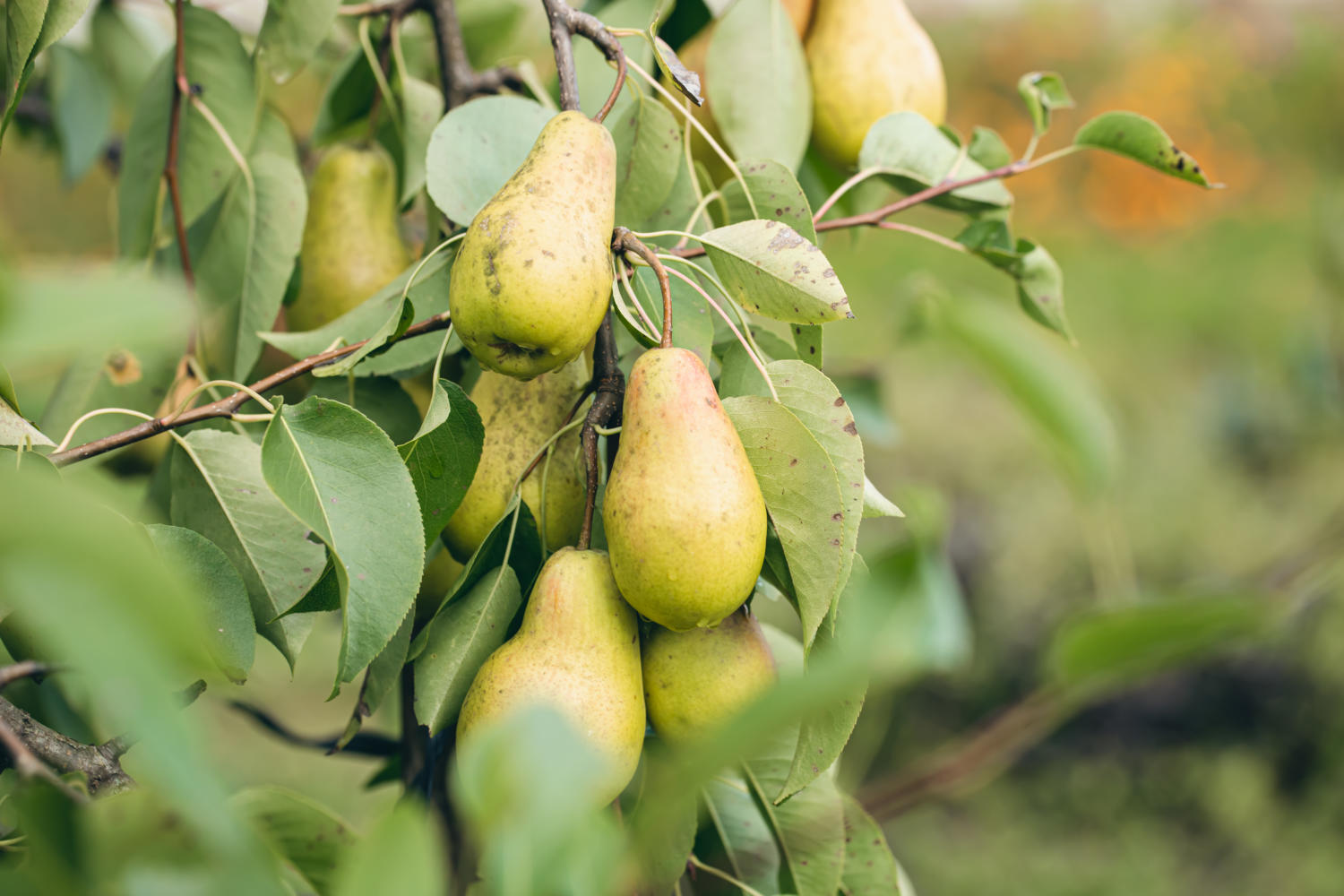
Harvest your apples and pears before they fall. Store undamaged fruits somewhere cool but frost-free. Any damaged ones can be used quickly for cooking or preserving.
And finally, have fun in your garden, gardening!
Visit www.orchardnurseries-york.co.uk to get in touch with Orchard Nurseries.




Add a comment