

By Tony Chalcraft
This column is written some time before you read it, so I usually hesitate to talk too much about the weather in case it changes dramatically in the meantime. But, I can’t let the summer of 2026 pass without comment. All farmers and growers mither about weather. Conditions are never just right, but this year has been off the scale for heat and drought. It’s been worse than the similarly hot and dry summers of 2022 and 2025. For me, this proves climate change isn’t just coming – it’s happened. We’re in a new climate regime, one likely to bring more scorching, dry summers, but milder winters with buckets of rain.
So, what does this mean for those of us who like to dabble in growing our own fruit and veg? More particularly, what can we learn from the summer of 2026?
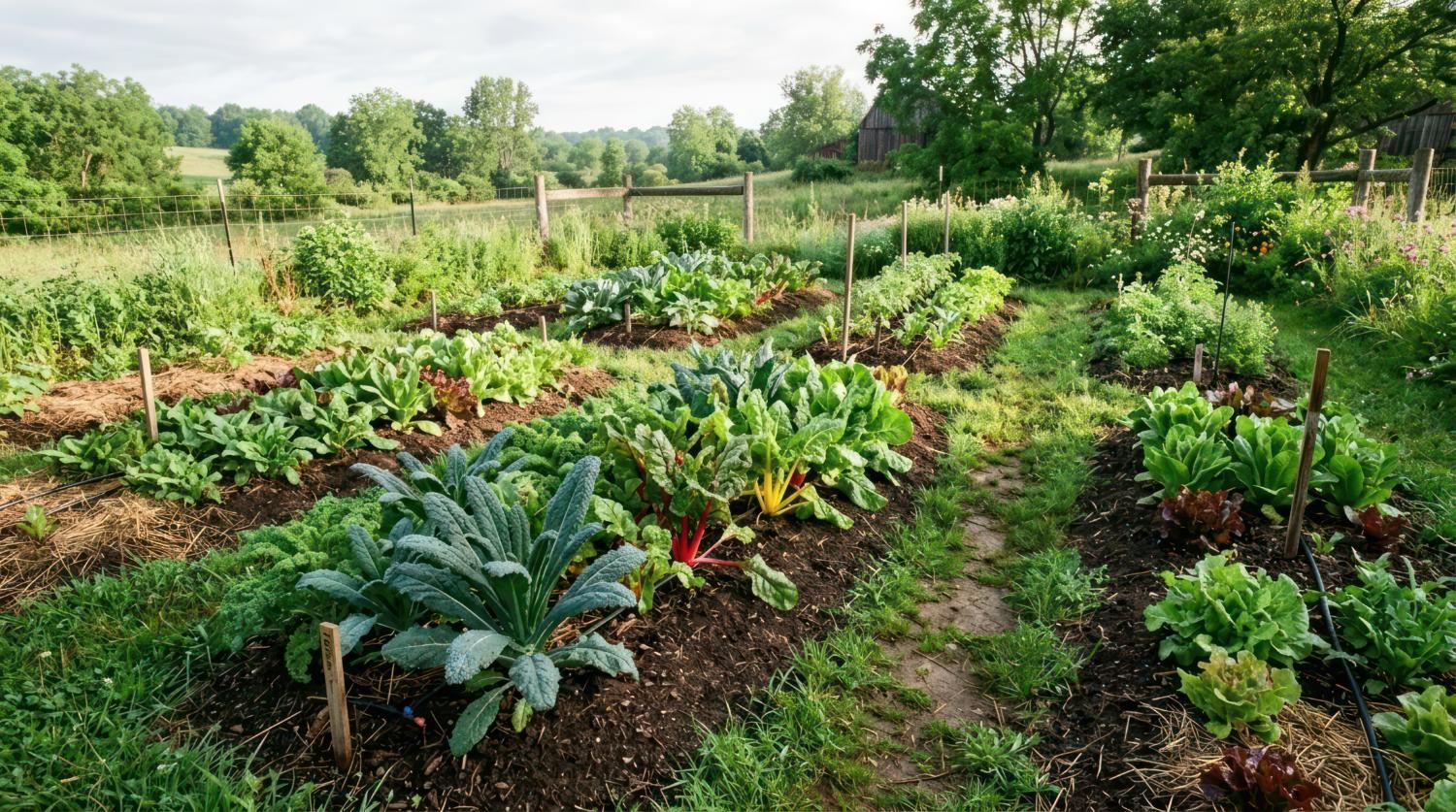
Lesson number one has to be to adapt. This is hard for those of us who’re stick-in-the-muds, but if there’s no mud from April to October, there’s not much option. It’s been clearer than ever this year that some crops resist drought better than others. Root crops like carrots and parsnips, once beyond the seedling stage, seem to have fared well. Even potatoes, especially the earlies, haven’t done too badly. Others that have coped include French beans, onions and leeks. Getting these veg going early, more feasible now spring comes sooner, should make them resilient to heat and in less need of water.
Water is, of course, another key issue. We need to minimise its use and be conscious that in future years, usage may be restricted. Capturing and storing roof runoff where possible will help, but this alone isn’t going to be sufficient in many situations. Watering wisely will be vital. I don’t have space to go into this here. Suffice to say, frequent sprinkling in searing sun is far less useful than an occasional drenching when it’s dull or darkening. Retaining moisture is also a must. Mulching with compost or other natural materials and planting closely to close the canopy can help. So too will not growing drought-prone plants in spots near trees or hedges with moisture-seeking roots. Other solutions include growing in soil wherever practical, rather than pots and growbags, which need regular watering, and using water-efficient irrigation systems like driplines.
I’ve mentioned adaptation, but there is also innovation. This has to include looking and learning from what’s grown in warmer climates, especially those across the Channel. For example, kohl rabi, favoured in much of Europe, will cope with drought better than its close cousins, the swede or turnip. Likewise, more exotic varieties of climbing beans from France and Italy seem to have coped far better with the heat than traditional UK runners. The same goes for fruit. Will pears, quinces, apricots, figs, or even persimmons outdoors, do better in future than English heritage apples accustomed to cooler conditions? And how will berries fare with increasing heat? This year, some raspberries, blackcurrants and gooseberries had lots of unusable ‘sunburnt’ fruit that had effectively ‘cooked’ on the plant. My mulberry, however, has thrived. So too did some blackberry varieties, and the apparently indestructible saskatoon.
There’s lots more fruit and veg gardeners could learn from this exceptional summer. Perhaps most of all, we need to finally recognise that a heating climate will change what can be grown and, potentially, impact overall food supplies. It’s easy to drift into apocalyptic talk, but crop yields are significantly down, and there’s media chatter about some veg being in short supply in the coming months. With more summers like 2026, maybe ‘growing our own’ will soon be a necessity rather than a hobby.

Add a comment