

By Tony Chalcraft
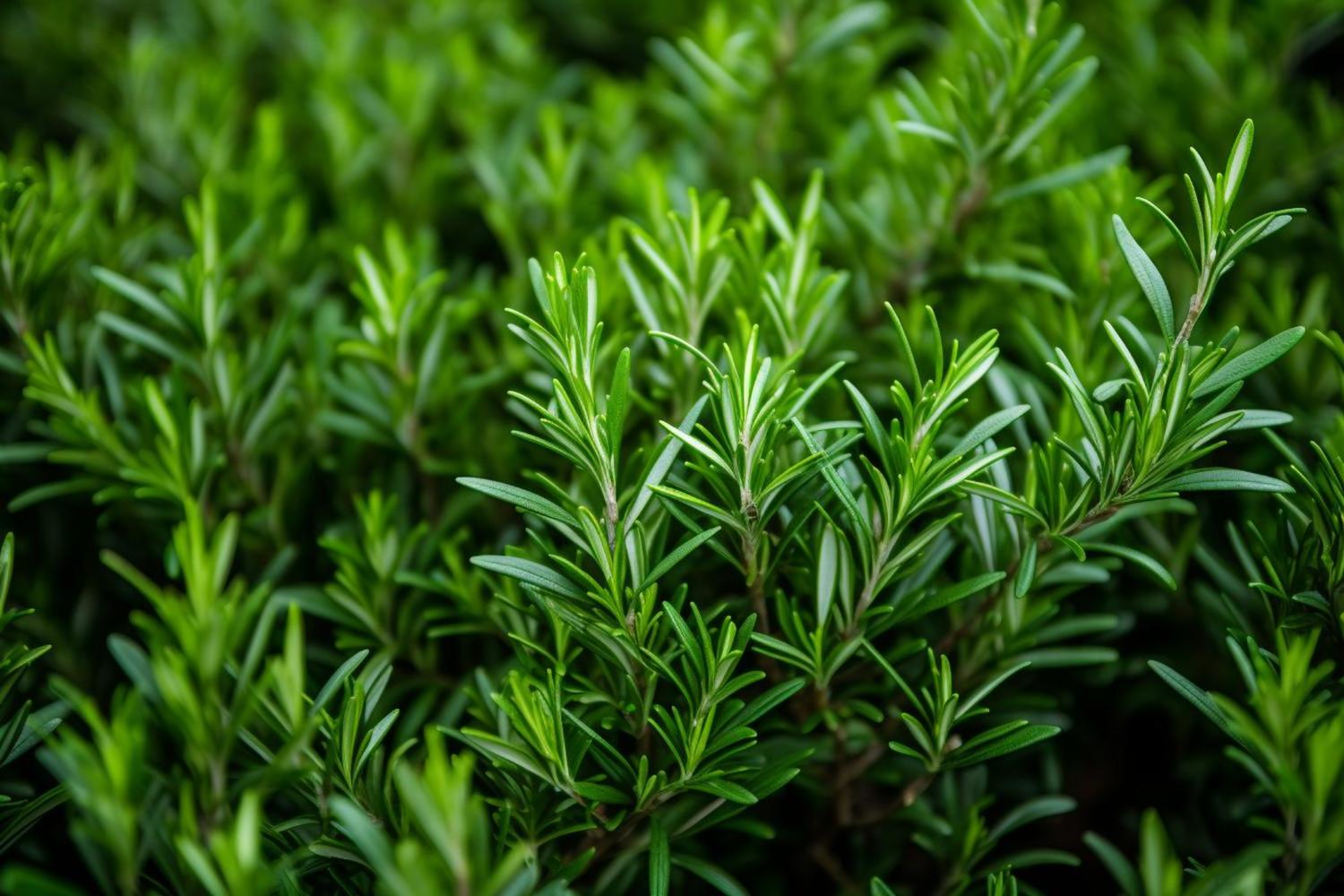
Rosemary is one of the most traditional and commonly cultivated herbs. A stalwart of cottage gardens and herb patches, it’s one of the Scarborough Fair quartet alongside parsley, sage and thyme. Of these, it is perhaps the easiest to grow. Unlike parsley, it is not an herb that must be sown every year. And in comparison to sage and thyme, which tend to become straggly over time and need replacing after a few years, it can be relatively long-lived.
If growing rosemary, it’s important to keep in mind it’s a non-native plant originating in the Mediterranean. Botanically, it is now Salvia rosmarinus, although seasoned gardeners may know it as Rosmarinus officinalis, the name it carried before modern research reclassified it as part of the large Salvia genus, which includes sage. As with most Mediterranean herbs, it likes sun and free-draining soils, and dislikes excessive cold and soggy ground. Plant rosemary where it will get maximum sunlight. Add grit to heavier soils. If you can’t provide these conditions, grow it in a pot. This needs to be at least 30 centimetres in diameter and ideally terracotta rather than plastic, to provide better drainage and stability. Add grit to the compost and avoid over-watering. If there is prolonged winter cold, be prepared to insulate the pot. One of the biggest risks to rosemary, and some other more tender pot-grown herbs, is a spell of hard frost causing root damage.
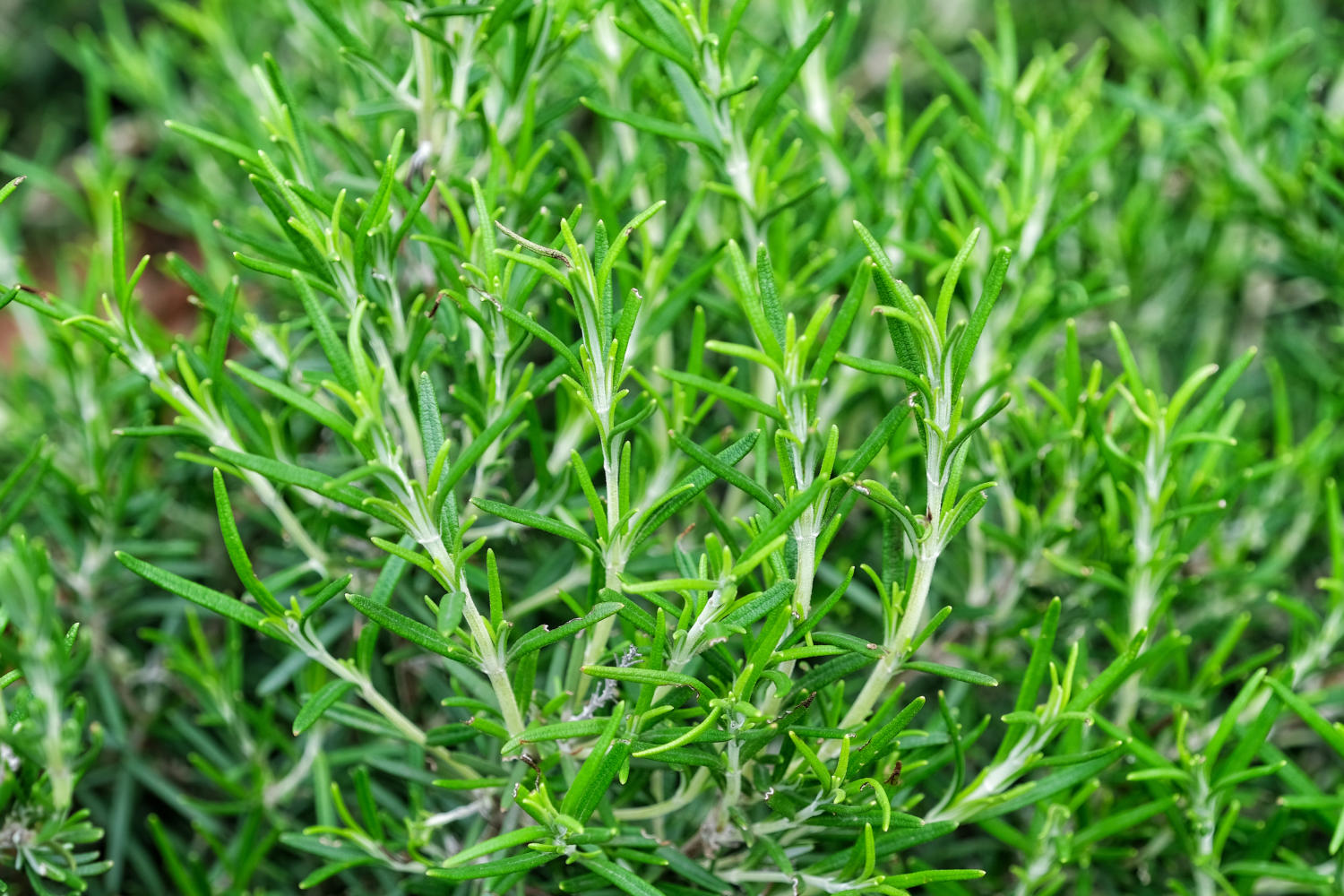
Rosemary generally needs little maintenance whether ground or pot-grown, although the latter will benefit from a feed of granular fertiliser in spring. To keep the plants compact, it is best to lightly trim back new foliage once a year after the flowers fade in mid-summer. This also promotes a smaller second flush of flowers later in the season. As with lavender, avoid cutting into older wood. If you do, there’ll be little if any regrowth, leaving ugly unvegetated stubs.
Until recently, rosemary was rarely bothered by pests, but after being spotted in London in 1994, the rosemary beetle has spread rapidly across much of the country, including to the York area. The beetle and its larvae eat the foliage and flowers. Somewhat unusually, most feeding takes place from late summer to early spring. In mild weather, the beetle can be active in winter. Mature beetles aren’t hard to spot – although only seven millimetres long, they are a shiny purple with green stripes. The larvae, however, are less conspicuous, being greyish white with less noticeable streaking. Although the beetle can cause considerable defoliation, the damage is usually cosmetic rather than calamitous. Only smaller, newer plants are likely to succumb. It is possible to reduce numbers by picking off the beetles. Another option is to place newspaper under a bush and gently shake so the beetles and larvae are dislodged. It’s also important to note that, despite its name, rosemary beetle doesn’t just affect rosemary: sage, thyme and lavender may also be attacked.
If you’re thinking of growing rosemary, bear in mind there are different types. Probably the most widely sold is Miss Jessop’s Upright. As the name suggests, this can head skyward, with mature plants reaching over two metres. Others grow lower, many ‘prostrate’ types not exceeding half a metre in height. While most rosemary flowers are in shades of blue, some varieties are white or pink. After all, while rosemary is primarily seen as a culinary herb, it can also be used as an attractive flowering shrub. It’s even possible to clip it into a lowish-growing hedge. This will be a magnet for bees and other pollinators, as indeed will be a solitary bush if it’s positioned in a sunny spot and trimmed correctly to promote new growth and profuse flowering.




Add a comment