


History fascinates me. From the stories that have been forgotten to the sweeping tales of humankind, there is something for everyone, even those of you who think history books are confined to one style. Here, I have given you a selection of books about human history, a novel about the Cold War, and a factual retelling of one of history’s more recent events. So, sit back, relax, and take yourself into the past with this month’s reads…
‘Sapiens: A Brief History of Humankind’ by Yuval Noah Harari
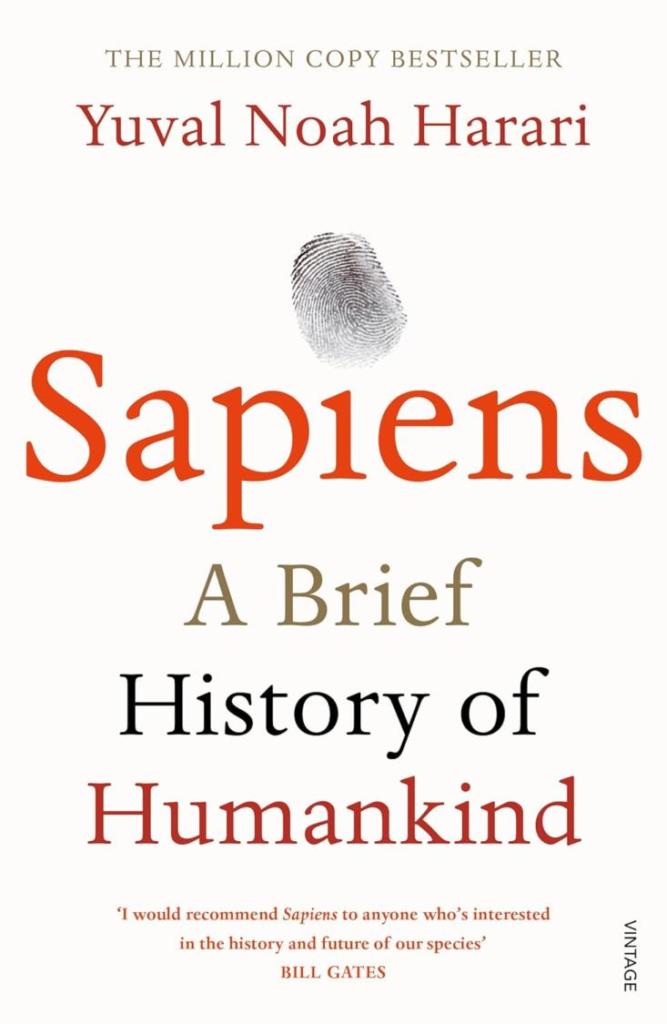
Yuval Noah Harari’s ‘Sapiens’ attempts something particularly ambitious: to explain the entire history of humankind in one sweeping book! Moving from the cognitive beginnings of early humans to the rise of empires, capitalism, and more recent artificial intelligence, Harari manages to create an accessible read from what should be a complex discussion. What makes the book compelling is not simply the breadth of information, but the questions it raises about modern life as we evolve into the future…
Even readers who disagree with his conclusions will find themselves challenged by them in the face of a world that seems to be on the edge. The book’s greatest strength is its ability to connect prehistoric events to contemporary anxieties about inequality and advancement – perhaps we really are closer to our ancestors than we thought? ‘Sapiens’ is a less traditional history book and more of a provocative meditation on what it means to be human in a rapidly changing world.
‘The Spy and the Traitor’ by Ben Macintyre
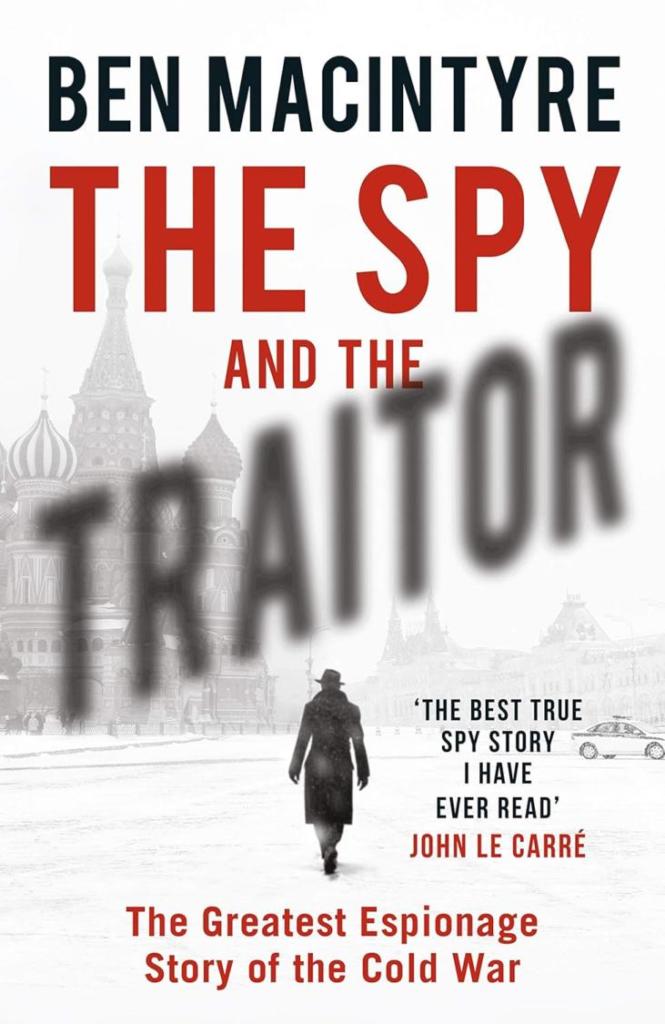
Macintyre’s ‘The Spy and the Traitor’ reads with the tension of a thriller, yet behind the story, there is truth. The book tells the tale of Oleg Gordievsky, a high-ranking KGB officer who secretly became one of Britain’s most valuable Cold War spies. Macintyre transforms a complex web of spies into a gripping narrative filled with deception and intrigue. Whilst not a traditional history book, this captures a story that really happened and transforms it into a modern novel. Macintyre’s greatest achievement in his writing is making geopolitics feel intensely personal. What should be a slightly boring theme suddenly becomes one laced in tension. His detailing of the Cold War becomes not just a clash of governments, but a story with tangible depth.
‘Chernobyl: Life and Other Disasters’ by Misha Glenny
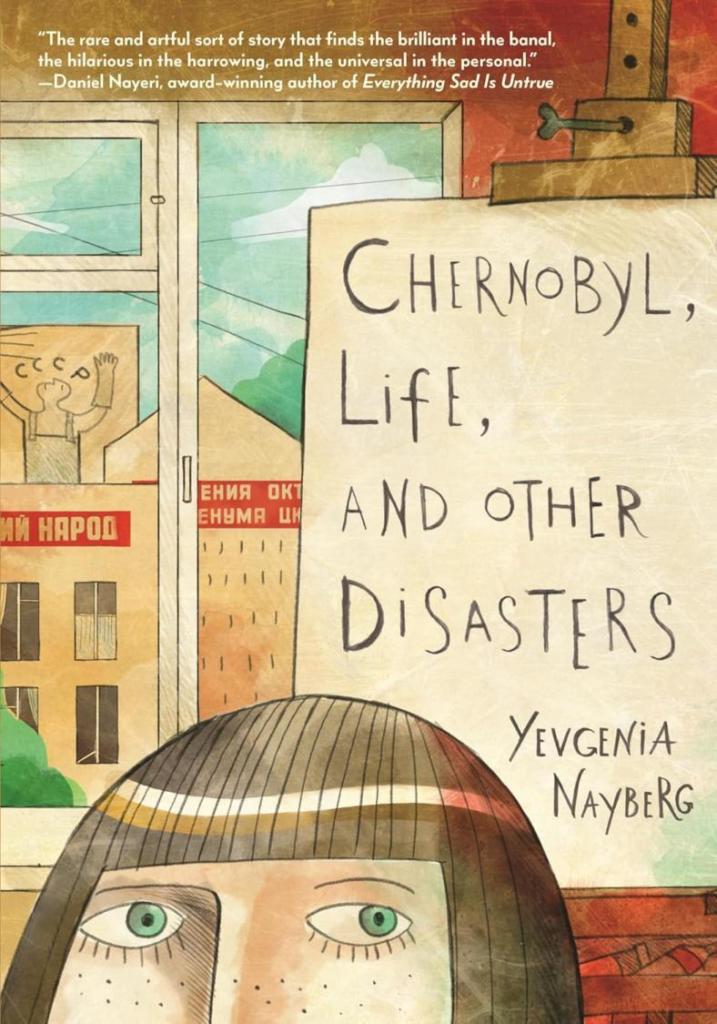
The story of Chernobyl is one that has gripped people across the globe for decades. In ‘Chernobyl: Life and Other Disasters’, Misha Glenny examines the devastating aftermath of the 1986 nuclear catastrophe with a deeper level of humanity. Rather than focusing solely on the explosion itself, Glenny explores the stories it left behind in its wake. The book reveals how Soviet secrecy and incompetence intensified the tragedy, while ordinary citizens were left to navigate uncertainty. What distinguishes Glenny’s work from other books on the disaster is its attention to the human stories hidden beneath official narratives. Survivors, workers, and displaced families are portrayed not as victims but as individuals struggling to find a sense of normalcy. The writing is really quite powerful, avoiding sensationalism of the stories it tells. At its core, the book serves as both a historical account and a warning about the dangers of political ignorance, in an age where it is all too prevalent…









Add a comment