

By Eleanor Grady
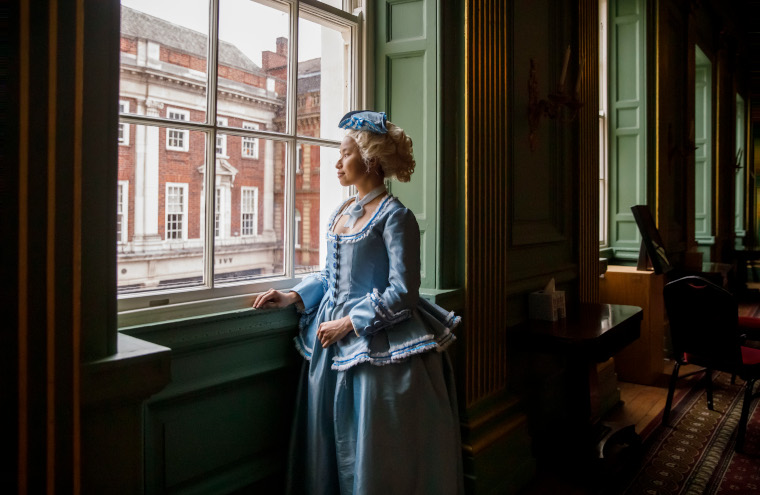
Ranging from 1714 to 1830, the Georgian era marked a Golden Age for York, due to the social and cultural changes that transformed the city. In anticipation of the upcoming York Georgian Festival, taking place this month, we thought we’d take a closer look at our city’s Georgian past…
1- Did you know that York was known as the social capital of Northern England during the Georgian period? Wealthy visitors travelled to the city for elegant balls at the Assembly Rooms, seasonal gatherings and opportunities to socialise or do business.
2- Horse racing was a prominent factor which brought about most of York’s visitors, and the races on the Knavesmire were one of the biggest events in Georgian York!
3 – Did you know that during the Georgian period, lemons became highly fashionable, as Britain’s trade with the Mediterranean expanded? Since they could not be grown easily in Britain, lemons were expensive to import, making them a luxury item and symbol of wealth and refinement amongst well-to-do Yorkies.
4 – Some of York’s most impressive buildings were built during the Georgian period by an individual named John Carr. He is known as one of the most important architects in Northern England, and his work helped shape the city’s elegant appearance.
5 – Notable designs said to have been completed by Carr, which are still visible today, include the three-storey Micklegate House, Bootham Park Hospital, and the interiors of Fairfax House.
6 – Did you know that the Assembly Rooms, first opened in 1732, served as the premier hub of high-class entertainment for York’s Georgian elite? The venue offered London-style entertainment to locals without excessive travel or expense.
7 – First opened in 1744, York Theatre Royal helped to establish York as one of Northern England’s leading centres for theatre and entertainment. Wealthy residents and visitors attended plays, operas and concerts, making it an important part of Georgian York’s culture.
8 – York Mansion House, completed in 1725, was built to show York’s importance as a wealthy and powerful city. It provided an official home for the Lord Mayor and a place to host formal civic events and entertain important visitors.
9 – During the Georgian period, York’s location on major routes between London and Edinburgh made it an important coaching hub. Improvements to the turnpike system increased traffic, reinforcing York’s role as a key stopping point in Northern England’s transport network.
10 – Did you know that York is home to one of the oldest societies dedicated to the Georgian era? Founded in 1939, York Georgian Society is the second-oldest society of its kind in the UK, outside London!




Add a comment