

York’s Walls in Bloom project, which includes beautiful wildflower displays along the bar walls at Station Rise and Foss Islands Road, is set to expand in the near future; the announcement of new displays planned at potential locations like Lord Mayor’s Walk and Nunnery Lane got us thinking – how can our readers go about creating their very own wildflower meadows in their gardens at home, and which kind of flowers are most suitable for planting in spring?
The good news is, the process of creating a wildflower-friendly space in your humble home garden is incredibly easy. In many cases, the best course of action is inaction! By simply selecting a patch of your lawn and letting it grow, you can encourage the natural growth of wild plants and create a wildlife-friendly area – all you’ll need to do is sit back, let your grass do its thing, and reap the rewards in the summer. Another option, which may be more suitable for those wishing to exert more control over which particular wildflowers flourish in their gardens, is to create a meadow space from scratch; simply pick a patch of unproductive, uncultivated soil, and dig up any weeds; by burying unwanted vegetation up to 20cm into the soil, you’ll be able to expose less fertile soil, which is ideal for growing many wildflower seeds; most importantly, don’t treat your meadow-in-the-making with fertiliser. Once you’ve established a suitable space, it’s time to start sowing!
Despite the relatively simple process of creating a space for wildflowers to grow, you’ll need to pay slightly more attention to the actual plants you decide to incorporate into your homemade meadow, especially at this time of year. To point you in the right direction, we’ve selected the cream of the crop of common wildflowers, perfect for planting in spring:
Red campion – Sometimes known as Adder’s Flower, Red campion is a widely distributed wildflower best distinguished by its vibrantly coloured, five-petalled red flowers. Offers vivid colour and character.
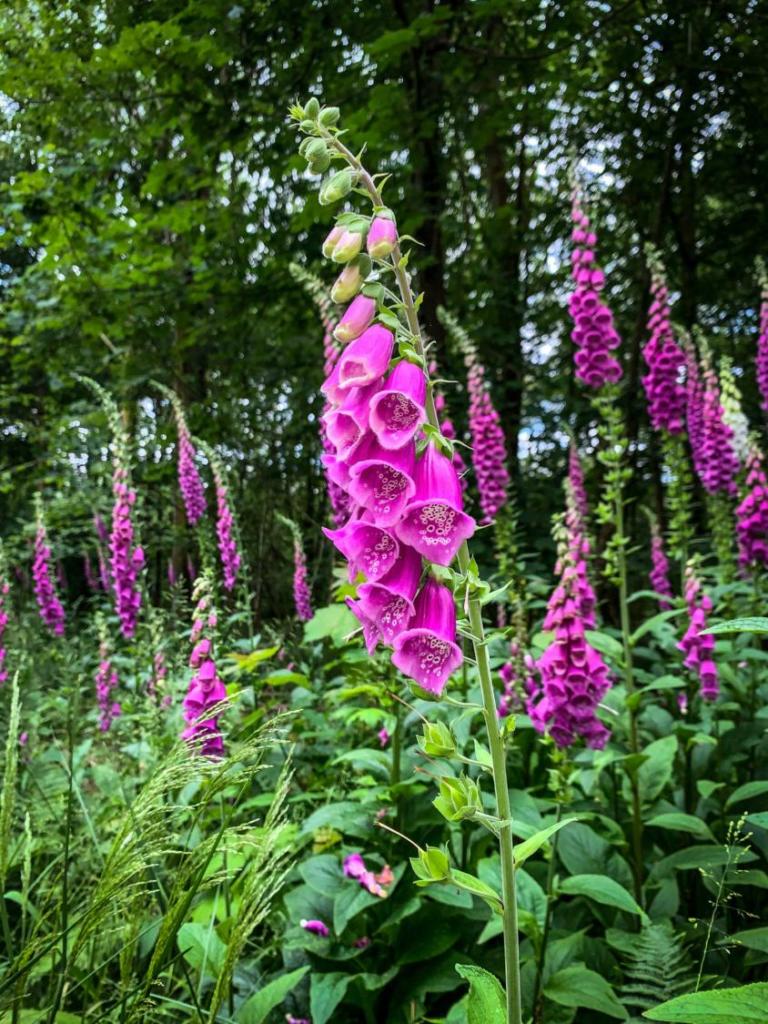
Foxglove – Best recognised by its tubular, pink flowers, which converge in a tall spike and open from the bottom up, this beautiful wildflower is also highly poisonous. An eye-catching choice, that’s not for eating!
Primrose – This small but hardy plant produces large, easy-on-the-eye flowers, which often grow in aesthetically appealing clusters. A spring-flowering, low-growing plant that remains popular amongst wildflower sowers.
Cowslip – Despite its name (thought to derive from ‘cow dung’), this popular perennial often pops up in wildflower seed mixes, in an effort to re-establish prominence following recent decline. A yolk-coloured springtime essential.
Ribwort plantain – Typically flowering from April to October and recognised by its unusual, pine cone-shaped flower heads, this unique wildflower regularly appears as a garden weed. Its seed heads also serve as a delectable snack for birds and other wildlife.
Visit www.rhs.org.uk/lawns/how-to-sow-a-wildflower-patch to learn more about sowing a wildflower patch in your garden.









Add a comment