

Thinking of saving a few bob, gaining key skills in sustainability, and connecting with nature?
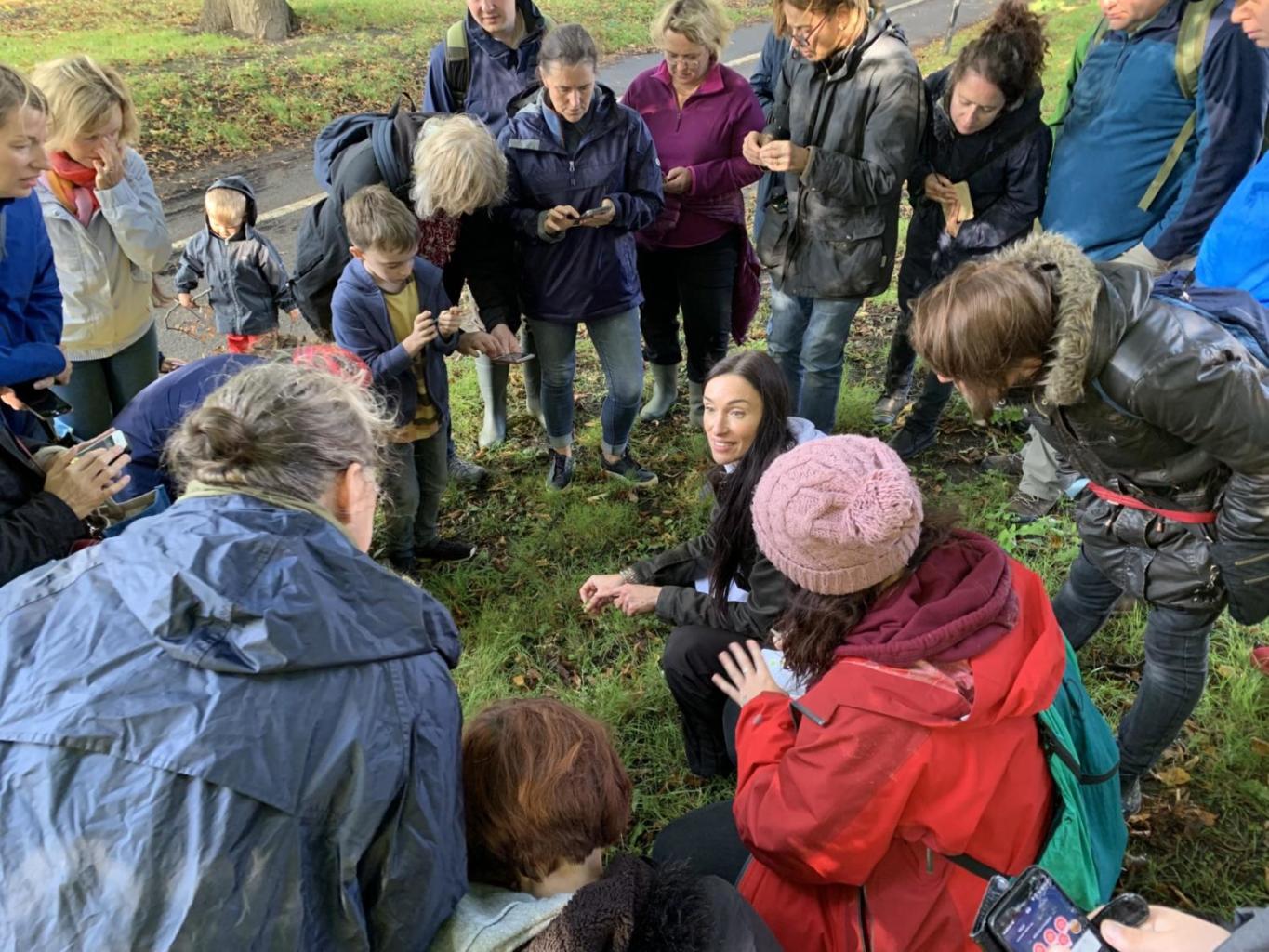
Offering valuable tips and tricks related to self-reliance and wild food foraging, Wild Harvest School was first established in 2006 by Diana Hammill Page, a single mum of three living off-grid in a green caravan in the Yorkshire Dales. “We had no heating, no loo, and no running hot water. I had to live simply, using what was around us – later, I realised I wanted to share these skills with other mums who were feeling disempowered.” What started as a small venture making and selling beeswax candles and hedgerow teas has now blossomed into an all-encompassing school situated just out of York, where Diana is proud to “teach others how to be self-reliant”.
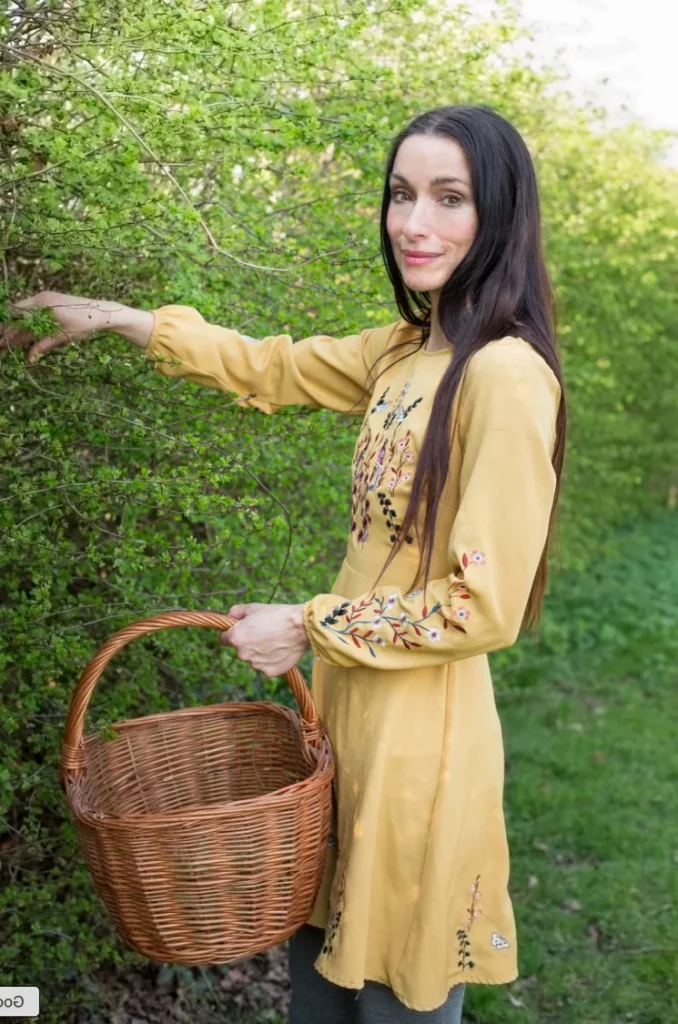
As a qualified Adult Education tutor, Diana believes that “understanding where our resources come from and how to use them (wisely) is something every child and adult should be taught. When we actually use and understand the natural resources around us, we are more likely to look after them. In a world that feels increasingly expensive and artificial, there’s a real desire to take back some control—whether that’s avoiding the toxic chemicals in modern toiletries or simply knowing you can feed your family for free from the hedgerows, if needed.”
However, given the freezing temperatures abounding this winter, Your Local Link was keen to find out what free treats are currently available to wild foragers, despite the cold weather; “In winter, you can still find the ingredients for Wild UK Chai Tea, made using Ash keys (seeds), Wood Avens roots (which taste like cloves), and Hogweed seeds (which have a citrusy, fragrant, spicy kick). Ash keys are often still hanging on the branches, and Hogweed seeds can be found dried on the standing stems from autumn. You can also dig for Wood Avens roots.” Another abundant edible wintertime plant is Thistle, which Diana describes as “a fantastic year-round resource—you can eat the root, stem, and leaves, if you prepare them right. It’s a real staple, as when you think a thistle can grow to 6 feet of edible stem, that’s a lot of starchy carbohydrate, especially if you add the roots.”
While it may be famous for its associations with Scotland, Celtic culture, and good luck, Diana is keen to point out that Thistle can be a versatile ingredient in any wild forager’s indoor (or outdoor) kitchen: “My boys used to love to peel Thistle stems and dip them in sugar! For an actual meal, I’ve done beach cook-ups with foraged limpets, stir-fried with thistle stems, which absorb the seafood flavour beautifully.”
Wild Harvest School is located at Boundary Farm, East Cottingwith, York, YO42 4TA. Visit www.wildharvest.org to find out more, make an enquiry, or browse the full programme of courses, walks, workshops and retreats on offer. Let’s go foraging!









Add a comment