

Last year saw a dry spring, the hottest summer on record, and a particularly mild start to November, swiftly followed by cold northerly winds, snow showers and plummeting temperatures. While this fluctuation has proven unpredictable for local gardeners, many of us will be keen to escape the chill and reap the impending rewards of spring – but what can we do to make our green spaces more wildlife-friendly ahead of springtime?
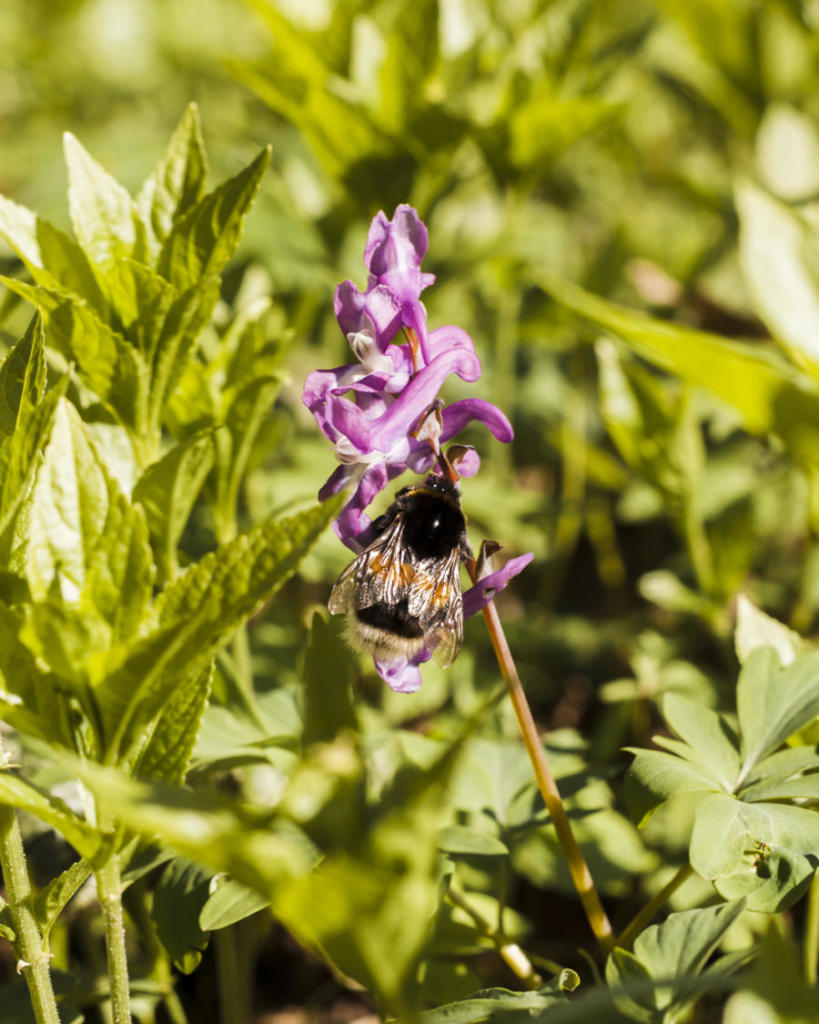
Pick pollinator plants – When buying seeds or young plants for spring, try to go with varieties that are rich in nectar and pollen, which are essential food sources for butterflies, moths, bees, and hoverflies. As well as providing sustenance for these insects, you can also encourage cross-pollination, which naturally occurs when flying creatures move between flowers and plants, increasing the production of seeds and fruit. Pollinator plants to look out for include cornflowers, pulmonarias, lavendar, asters, and pulmonarias, which support early bumblebees in spring.
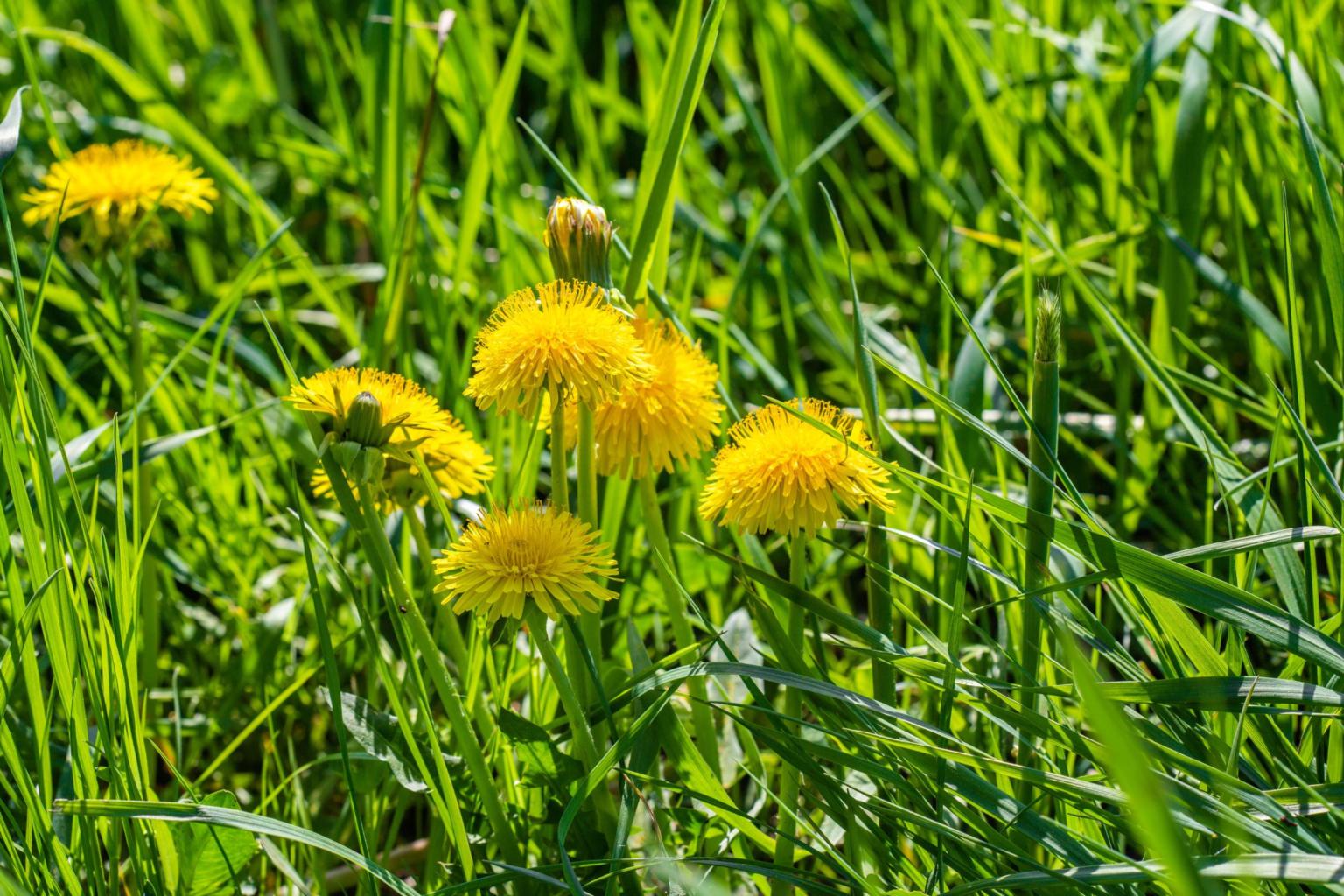
Leave grass and dandelions to grow – While unkempt grass and an abundance of unwanted dandelions can be a pesky bugbear for any gardener, allowing grass and dandelions to grow undisturbed can reveal surprising wildlife benefits when the season changes. Typically flowering from March and adorned with nectar and pollen-rich florets, dandelions are known to support and feed up to 100 different species of common garden wildlife, such as bumblebees, solitary bees, honeybees, beetles, and butterflies. Birds like finches are particularly partial to dandelion seeds (which will be deposited as easy-to-reach treats in long grass), whereas moth caterpillars love to munch on the leaves!
Don’t disturb hedges, shrubs, and trees – In the same way that leaving grass and dandelions to do their thing can work wonders for flourishing wildlife in your green space over spring, so too can letting hedges, shrubs, and trees go undisturbed. During bird nesting season (which typically begins in March and ends in September), dense hedges and shrubbery situated close to the ground can act as a crucial source of shelter for many species, including blackbirds, robins, and wrens – it can also shield them from predators and keep eggs and hatchlings safe.
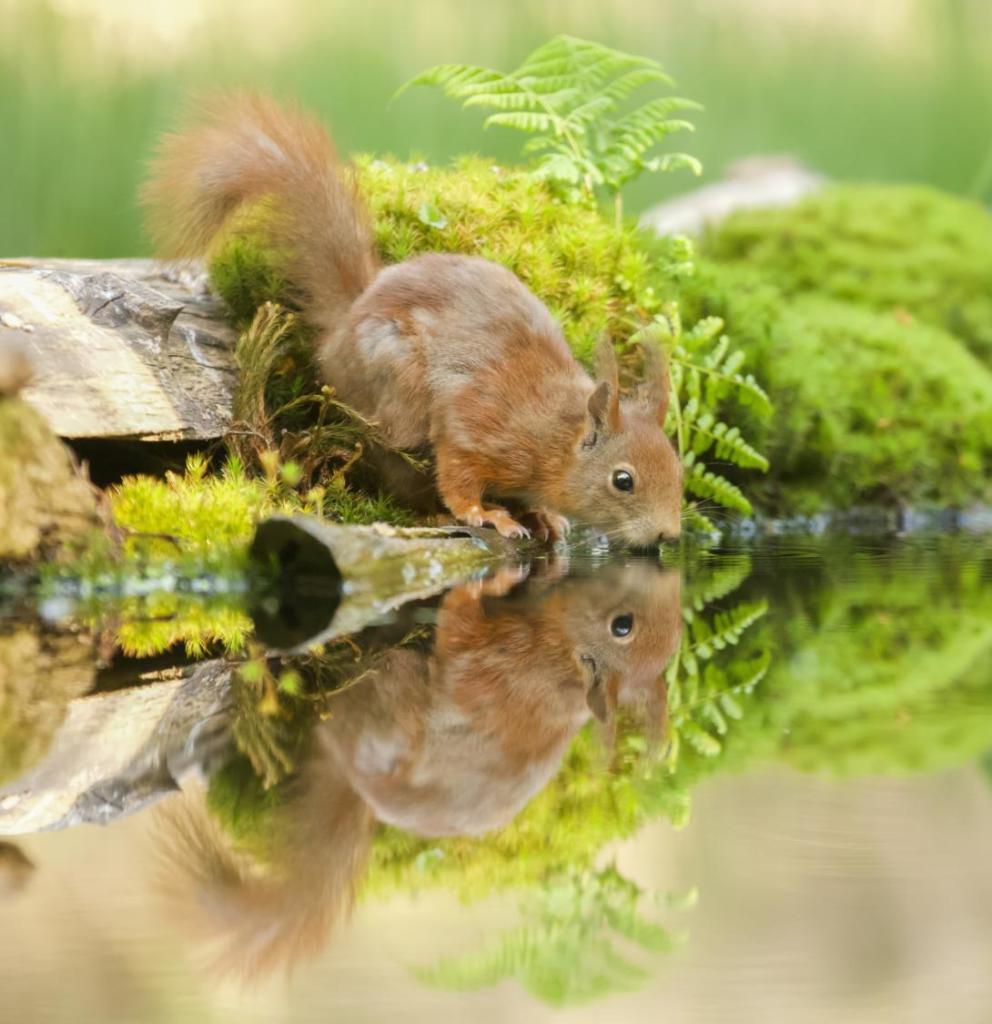
Provide water sources and supplementary food – All garden animals require water, and incorporating a pond or water source in your garden can go a long way in attracting wildlife including frogs, newts, insects, snails, birds, bats, bees, dragonflies, and even grass snakes! It’s also worth noting that, when hedgehogs emerge from hibernation between March and April, they’re likely to be extra hungry (and thirsty) after their long rest. While wilder, undisturbed gardens may act as a rich source of earthworms, beetles, caterpillars, and millipedes (natural dietary staples for hedgehogs), you can give them a helping hand by providing supplementary sustenance, such as bowls of fresh water and meaty cat or dog food.
Visit www.rspb.org.uk/helping-nature/what-you-can-do/activities/planting-plan-for-wildlife-gardens to learn more about planning wildlife gardens.









Add a comment