

By Sophie Lancaster
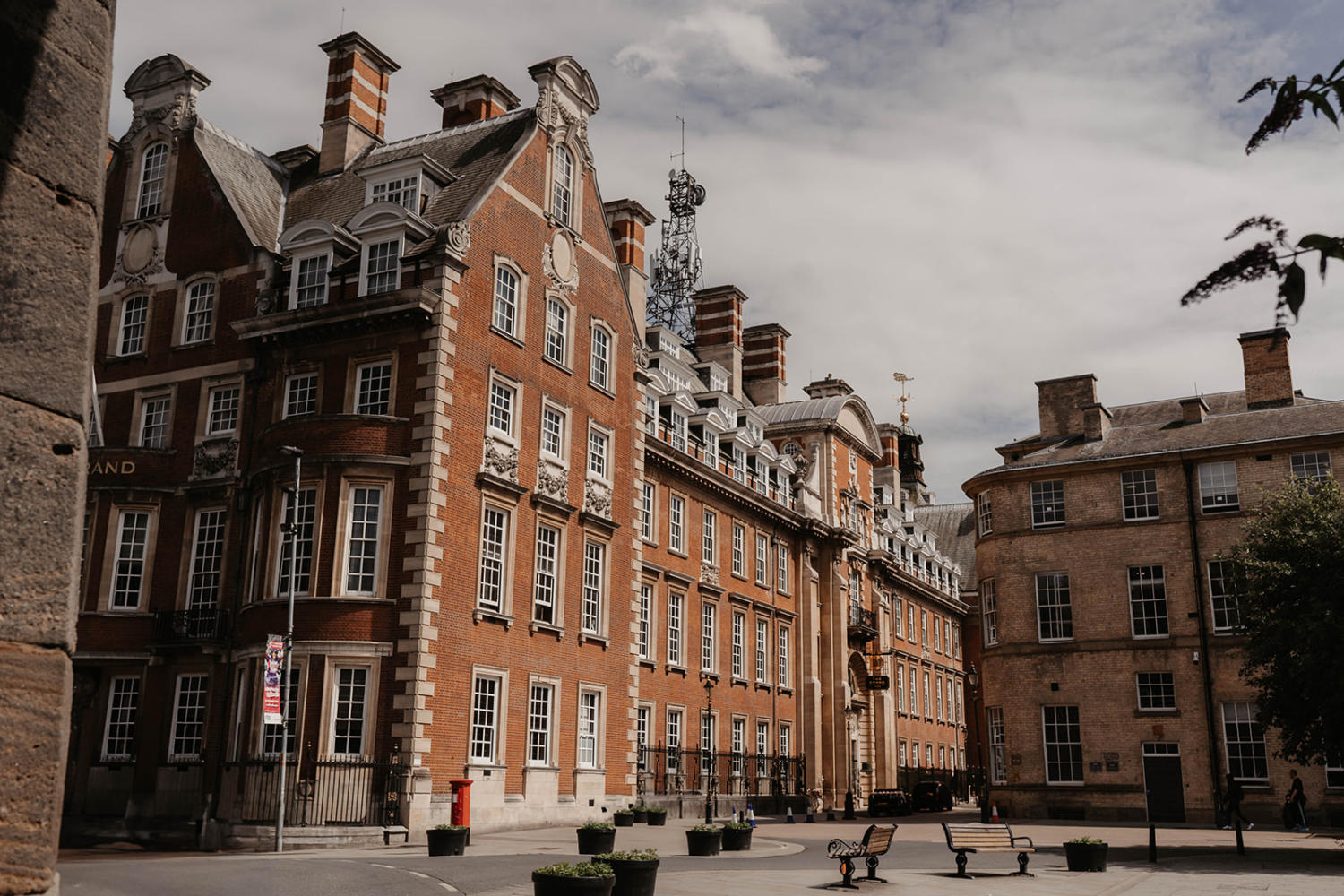
Whilst making the most of York Residents’ Fest at the end of January, I visited The Grand, which was offering guided tours of the building and an insight into its fascinating history.
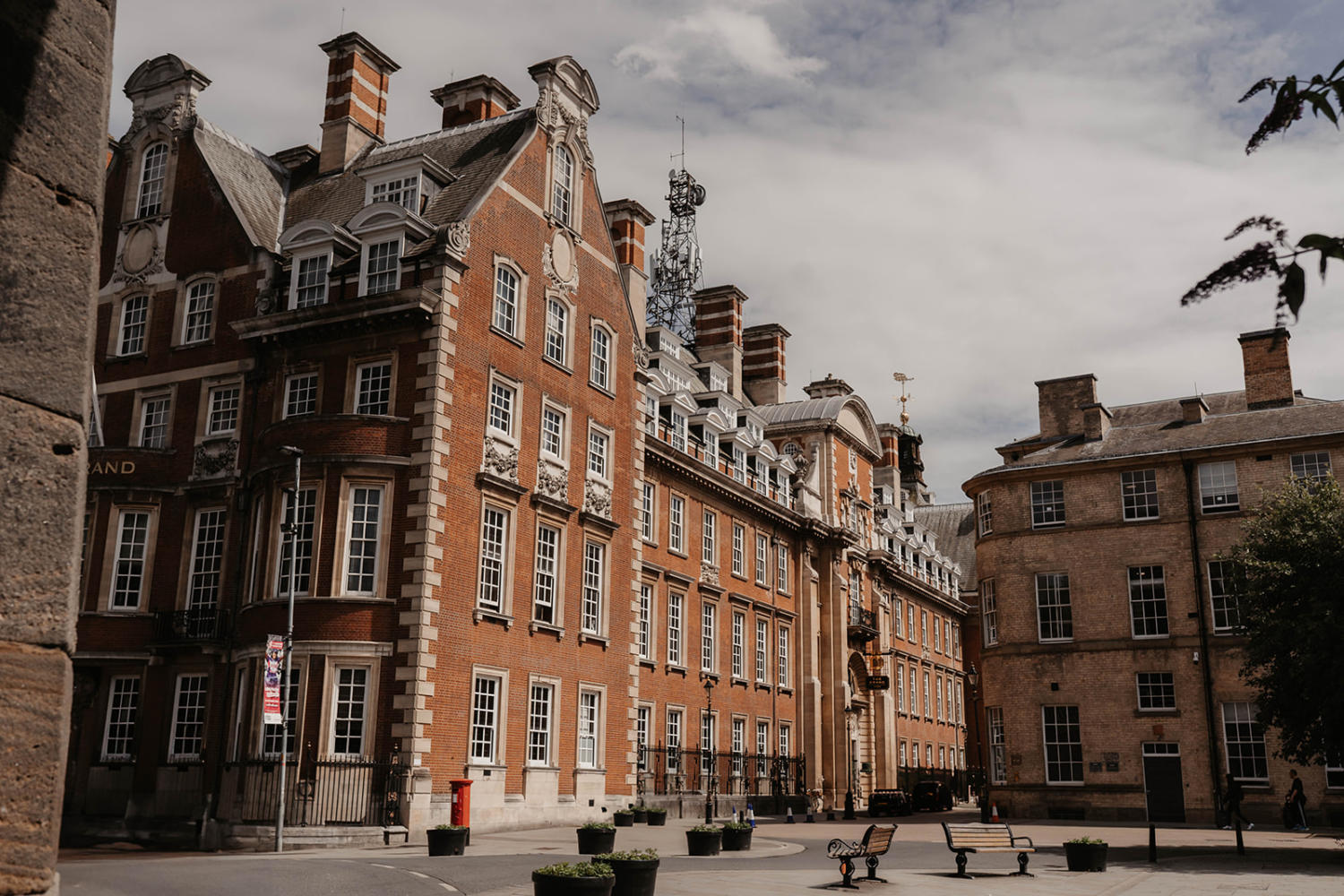
The Grand was the Headquarters for the North Eastern Railway. Designed by William Bell, an architect from York who also designed stations such as Alnwick, Darlington Top, Hull and Newcastle, was joined by Horace Field, the architect who designed all the detailing, known for combining tradition with refined details. The building was “intended to reflect the power and prestige of the company” and earned the name as a ‘Palace of Business’.
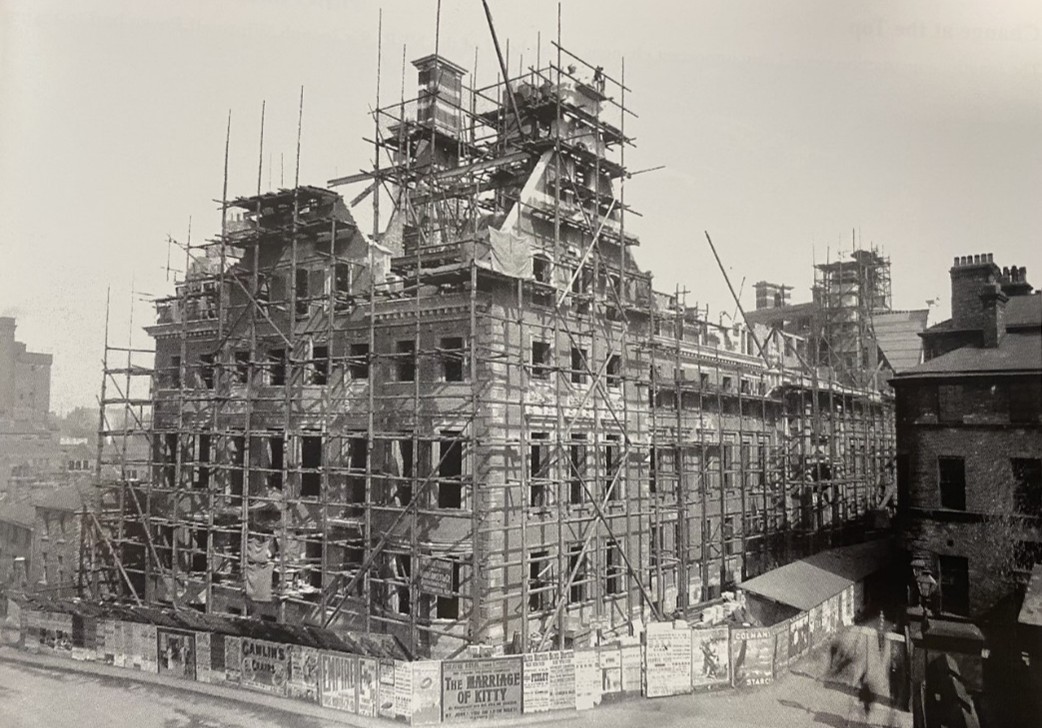
Building began in 1900 and was built in the Edwardian Baroque Revival style, a popular architecture seen between 1885-1920. Characterised by being symmetrical and theatrical, featuring domes, arches and columns with decorative plasterwork. The most impressive features were on the first few floors, exaggerated on the ground floor and becoming gradually less as you move up through the building.
The headquarters were opened for business in 1906 and became one of the largest employers in the North of England. It took care of 1,750+ miles of railway and operated hubs across Yorkshire and the Northeast.
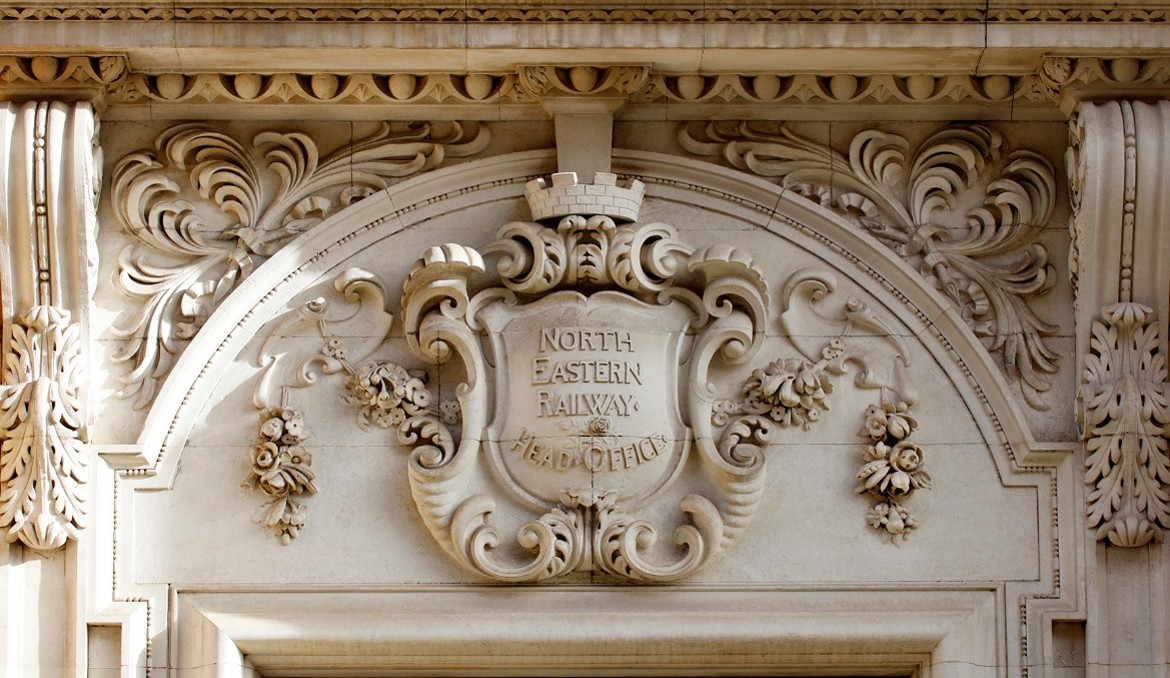
The first thing I noticed when I arrived was the NER Stone Carving above the entrance, still in perfect condition today. I was then shown in by the friendly doorman and directed to the White Rose Lounge on the west side of the building. The tour began with a visit to see an original clock, hung in the 1906 bar. The clock is permanently set to 19:06, a detail that often confuses guests who are looking for the time.
Staying on the west side of the building, we were taken up Edwardian-style stairs that were lined with distinctive green tiles. The green was, and is, a tribute to the colour of The Flying Scotsman. Although painted black during the war, they were later refurbished back to their original green.
This area of the building was reserved for the most influential directors and executives working here at the time, so was the most lavishly decorated. Much of the décor throughout the building is all still original, aside from necessary updates such as new lighting.
We were shown into the Boardroom, which still has its original floor-to-ceiling wood panelling, big windows and parquet flooring. We could see where the original map would have been hung, which would have shown the whole network and all the routes of the railway. Sadly, this was taken down and is no longer there to see. The room would originally have had a circular table and was used for important meetings and discussions.
Next to the Boardroom, the rooms along here, which were offices, still have their original office numbers above the doors. These have now been converted into bedrooms, each named after the influential people who worked here. For example, the Ridley Suite and the Leeman Suite are named after Sir Mathew White Ridley and George Leeman, who were both chairmen here. While the Gibb Suite and Butterworth Suite are named after General Managers of the Northeastern Railway.
On the first-floor lobby, we admired the original floral plasterwork on the ceiling, which was designed by an artist whose logo was a honeybee. If you look closely, you can spot a real bee that flew in during the painting process and became trapped in the paintwork, still visible today, poised on a flower as if searching for pollen.
Up on the fifth floor, although we couldn’t see the penthouse suite, we learned that it was originally occupied by the caretaker who looked after the building during its time as offices. An impressive perk of the job, the space functioned as a two-bedroom apartment.
We then explored the newer part of the building, known as Roman House, named we think, for its location above a former Roman burial ground. This part of the hotel now contains The Grand Cookery School and the newly refurbished Subrosa Spa, which has undergone a £2.8 million transformation.
Going back into the original building, we walked past The Milners Safe, which was a vault of information, holding all important paperwork and legal documents for the NER.
This tour was packed with history and character, and if you ever get the chance to visit The Grand, you’ll get a real sense of how important the building was to the railway and why it’s still such a landmark today.





Add a comment